– Published by Durham Rose, November, 2024
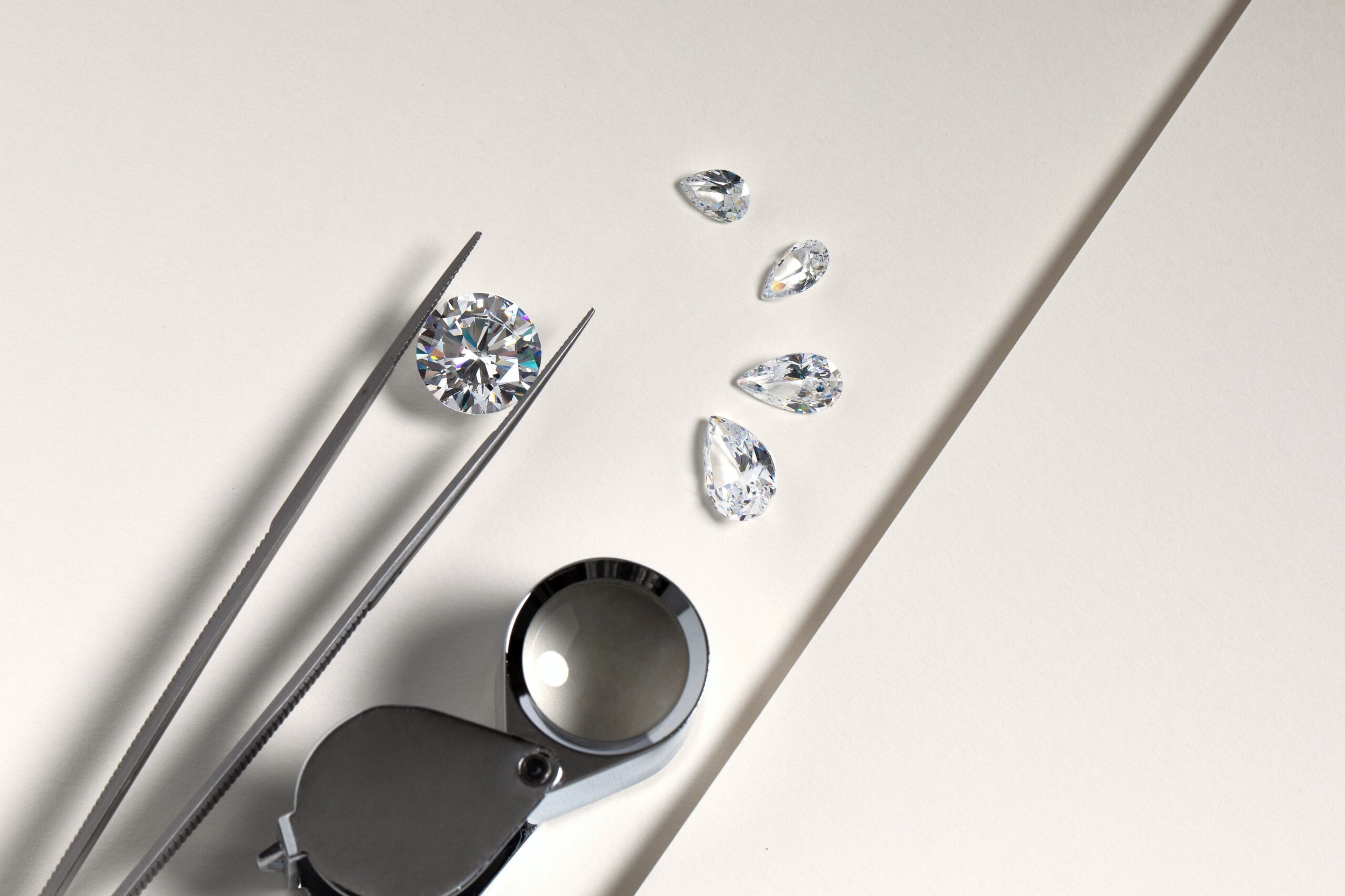
Beneath their dazzling shine, diamonds have a fascinating story that goes beyond their facets. Lab-grown and natural diamonds may look identical to the naked eye, but their origin is the main difference. One is created through modern science in controlled environments, while the other is formed by nature’s powerful forces deep within the Earth over millions of years.
Lab-grown diamonds are real diamonds, with the same chemical composition, physical properties, and appearance as mined diamonds. What sets them apart is their origin. Each diamond, whether grown in a lab or mined from the Earth, has a unique journey. Let’s explore what makes both types of diamonds truly remarkable.
The Science behind the Sparkle: Lab-Grown Diamonds
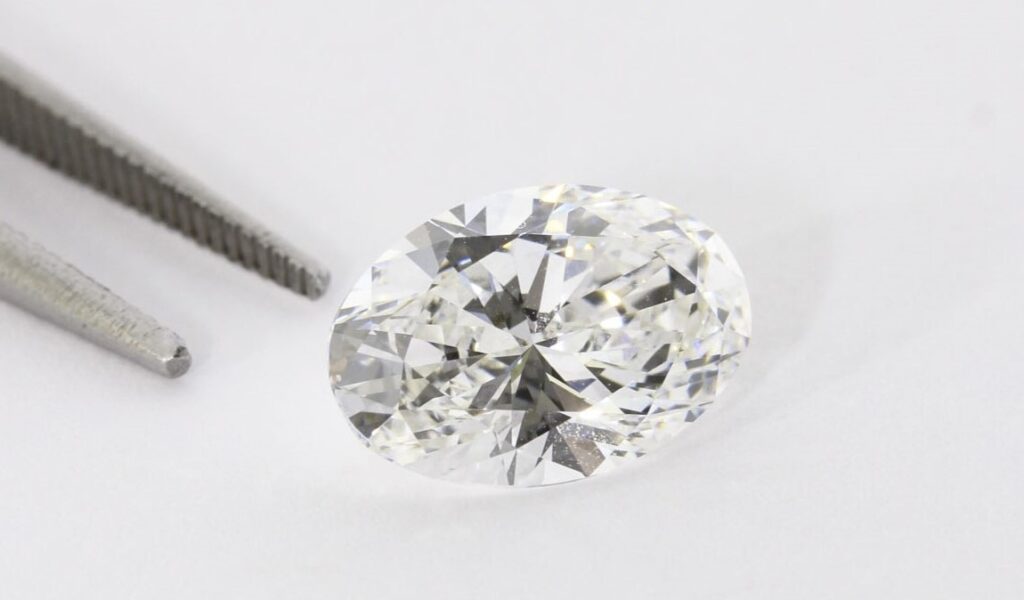
Lab-grown diamonds are a product of human ingenuity, crafted with precision in advanced laboratories. Using high technology, scientists create the ideal conditions for diamonds to form, mimicking the natural processes that happen far beneath the Earth’s surface. The process takes a few weeks, and the result is a diamond that’s virtually indistinguishable from one that’s been around for millions of years. These diamonds are made using two main methods: High Pressure High Temperature (HPHT) and Chemical Vapour Deposition (CVD). Both processes allow for maximum control over the final product, meaning lab-grown diamonds tend to have exceptional clarity, symmetry, and colour. And because they’re created in a controlled setting, they’re incredibly consistent in quality.
Lab-grown diamonds have rapidly become a favourite for those who appreciate innovation and sustainability. These diamonds are more affordable than their natural counterparts, and they come with a clear conscience, free from the ethical and environmental concerns associated with traditional mining.
For more information visit Lab-grown Lab-Grown Diamonds
Natural Diamonds: The Natural Beauty
On the flip side, natural diamonds have their own awe-inspiring journey. These gems are formed deep within the Earth under extreme pressure and temperature, conditions that take millions of years to produce. Every natural diamond is a testament to the raw power of nature, shaped over time by volcanic eruptions, tectonic shifts, and geological transformations. Each one carries with it a unique story written in its crystalline structure, making it not only a beautiful gem but a piece of Earth’s history. While natural diamonds are rare, this rarity is part of their charm and personality. They embody the idea of something everlasting, something that has been crafted by nature itself over vast stretches of time. For many, there’s something special about owning a natural diamond knowing it’s a one-of-a-kind treasure, formed over eons in the heart of the Earth.
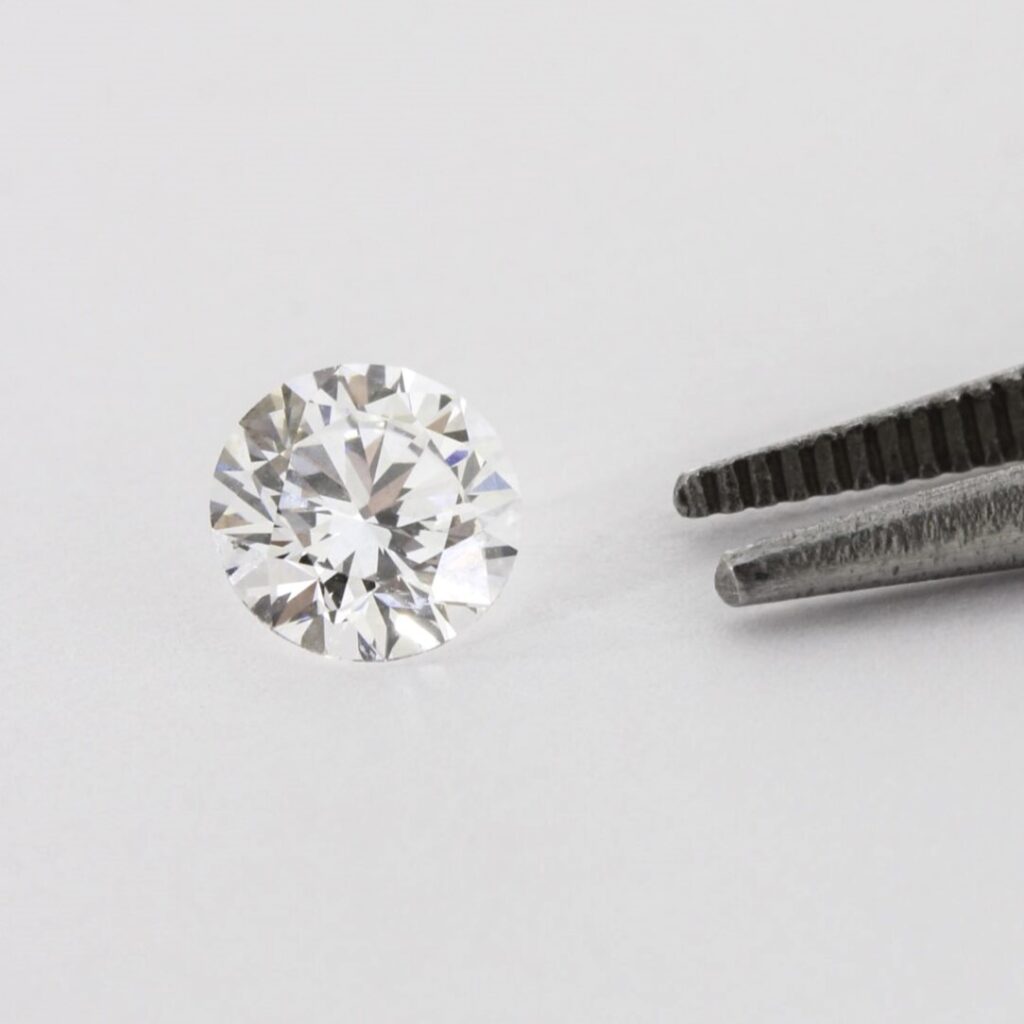
For more information visit Mined Diamonds
Lab-Grown vs. Natural: The Big Question
At this point, you might be wondering, “Which one is better?” The truth is, both options have their own unique merits, each offering distinct characteristics that set them apart. Let’s take a closer look at their similarities and difference
Durability: Explore customisation possibilities to further tailor the band to your preferences. Whether it’s engraving meaningful dates or initials, incorporating birthstones, or integrating symbolic motifs, these personalised touches add sentimental value and ensure your band is truly bespoke.
Cost: If you’re uncertain about which band style or vision to choose for the big moment, don’t hesitate to seek guidance from a trusted designer. Experienced designers can offer valuable insights and recommendations based on their expertise and knowledge of design principle
Environmental Impact: Stackable bands offer versatility and allow you to mix and match different styles to create a customised trio. Consider adding multiple bands to the ring stack for added dimension and visual interest.
Ethics: Familiarising yourself with the store’s return policies and warranties provides invaluable peace of mind. Knowing that you’re covered in case adjustments or repairs are needed ensures a stress-free shopping experience, allowing you to focus on selecting the perfect band without worries.
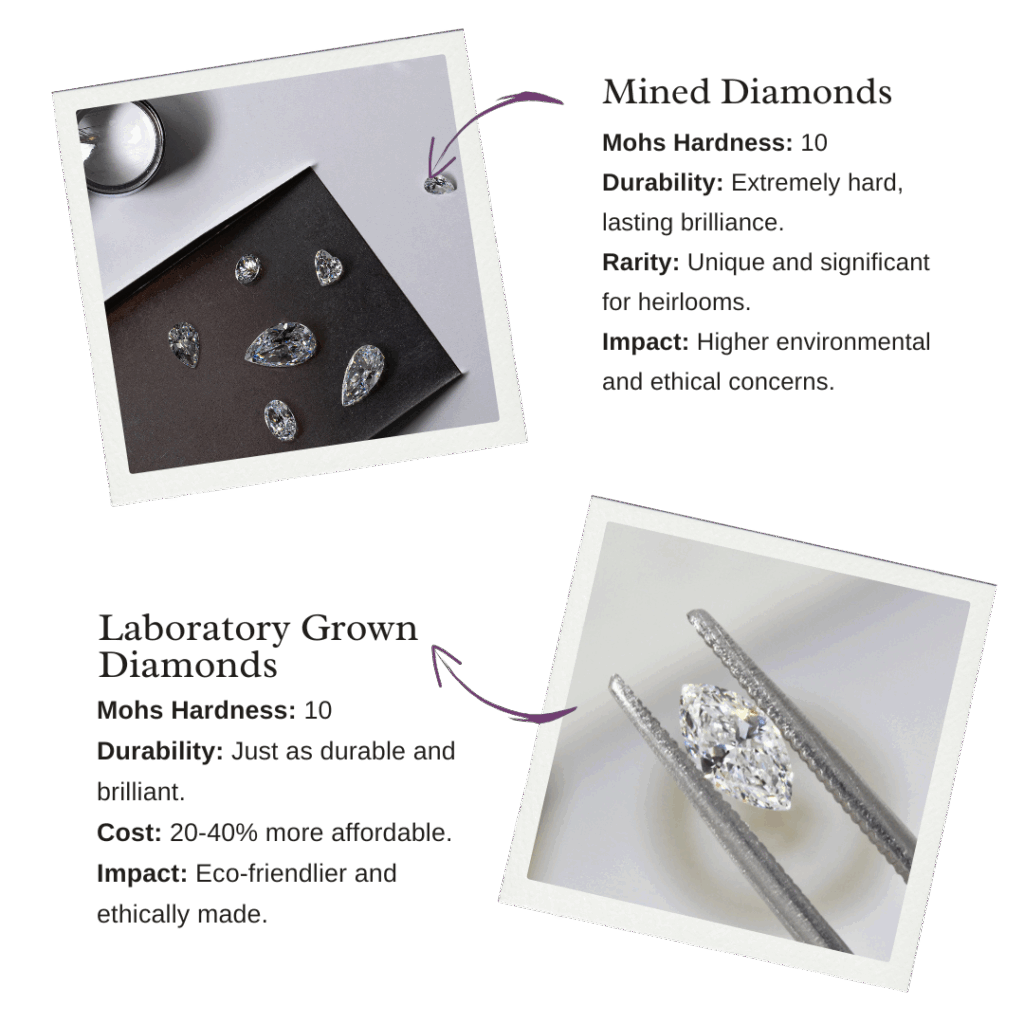
Rarity & Value: Lab-grown diamonds, although not as rare as natural diamonds and capable of being produced repeatedly, still retain their value due to their quality and authenticity. In contrast, natural diamonds, valued for their rarity and geological history, are often regarded as more significant, especially for investments and heirlooms.
The beauty of a natural diamond lies in its uniqueness: no two natural diamonds are exactly alike, which makes each one truly special. Lab-grown diamonds, while visually identical, don’t carry the same aura of rarity and history, making them more of a modern, practical choice.
Choosing between lab-grown and natural diamonds is a deeply personal decision that largely depends on what you value most. To make an informed choice, it’s essential to consider several key factors that can help you select the ideal stone for your jewellery.
Budget: If you’re on a budget but still want the beauty and sparkle of a diamond, lab-grown diamonds offer an affordable option without compromising on quality.
Sustainability: If the environment and ethical sourcing are important to you, lab-grown diamonds are a more eco-conscious and socially responsible choice.
Timelessness: If you’re looking for something that has a rich history and can be passed down through generations, a natural diamond might be the right choice for you.
Value: If rarity and long-term value are key considerations, natural diamonds might appeal to you more due to their scarcity and unique origins.
At the end of the day, both lab-grown and natural diamonds have their own unique points. Lab-grown diamonds represent the marvels of modern science and offer an ethical, affordable, and eco-friendly option. Natural diamonds, on the other hand, embody the timelessness of nature and the wonder of the Earth’s geological processes.
Whichever you choose, both types of diamonds offer unmatched beauty and brilliance, so it’s really about what resonates most with you. Whether you’re drawn to the innovation of lab-grown diamonds or the story behind a natural diamond, rest assured that both will sparkle just as brightly. To learn more about diamonds and 4c’s visit Diamond Knowledge