
Gemstones
Adding a touch of colour to your bespoke piece
Explore our diverse range of gemstones and discover their meanings, origins, and colours. Our guide helps you confidently find the perfect gemstone for your bespoke piece.
Explore our diverse range of gemstones and discover their meanings, origins, and colours. Our guide helps you confidently find the perfect gemstone for your bespoke piece.
Picking the Ideal Stone
A guide to choosing the perfect gem
Choosing the right gemstone is key for bespoke jewellery, whether it’s for a ring, necklace, or earrings. This guide will help you navigate the options and pick the perfect gemstone for your piece.





- Tourmaline
- Tanzanite
- Topaz
- Spinel
- Sapphire
- Ruby
- Peridot
- Opal
- Morganite
- Moonstone
- Moissanite
- Garnet
- Emerald
- Citrine
- Aquamarine
- Ametrine
- Amethyst
- Alexandrite
- Pearl
Tourmaline
Where It Comes From Tourmaline gets its amazing colours from forming in different rocks deep underground.
Colours and Types From bright pinks and greens to deep blues and purples, tourmaline comes in so many colours, each with its own special charm.
What Makes It Special Tourmaline can look different depending on which way you look at it! It stands out for its vibrant colours, resilience, transparency, metaphysical allure, and rising popularity among coloured stone lovers.
How Tough Is It? Tourmaline is quite tough, scoring 7 to 7.5 on the Mohs hardness scale. Which makes it slightly durable from some of the gemstones.
Historical Significance Across cultures and throughout history, tourmaline has been revered for its perceived mystical qualities.
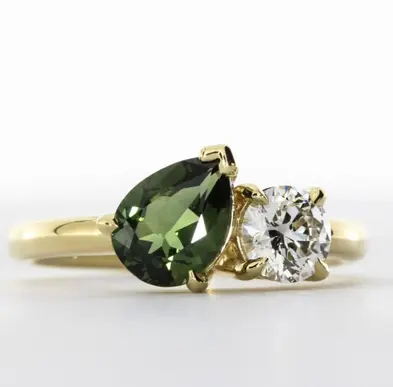
Design Possibilities From timeless solitaire settings to intricately crafted vintage-inspired designs, tourmaline rings radiate a spark and newness. Whether featuring a single striking stone or embellished with sparkling diamonds, each ring becomes a statement piece, enchanting with its unique colour range and beauty.
Tanzanite
Where It Comes From: Tanzanite is found exclusively in Tanzania, near the base of Mount Kilimanjaro.
Colours and Types: Tanzanite is known for its striking blue-violet colour, ranging from pale lavender to deep indigo. It is a relatively rare gemstone.
What Makes It Special: Tanzanite’s vivid colour and rarity make it highly sought after by gemstone enthusiasts and collectors.
How Tough Is It?: With a hardness rating of 6.5 to 7 on the Mohs scale, tanzanite is relatively soft and requires gentle care to prevent scratches and damage.
Historical Significance: Tanzanite is a relatively recent discovery, having been found in Tanzania in 1967. However, it quickly gained popularity due to its stunning blue-violet colour and rarity.
Design Possibilities: Tanzanite’s unique colour and brilliance lend themselves well to various jewellery designs, from elegant earrings to statement necklaces, adding a touch of luxury and sophistication to any ensemble.
Price Range: Tanzanite prices can vary greatly based on factors such as colour, clarity, size, and intensity of blue or violet hue, typically ranging from £50 to over £500 per carat for high-quality stones with vivid colour and minimal inclusions.
Topaz
Where It Comes From: Topaz is found in many countries worldwide, with notable deposits in Brazil, Russia, and the United States.
Colours and Types: Topaz occurs in a range of colours, including blue, pink, yellow, and white. The most valuable topaz is typically blue or pink.
What Makes It Special: Topaz is prized for its brilliance, clarity, and versatility, making it a popular choice for jewellery and gemstone collectors.
How Tough Is It?: With a hardness rating of 8 on the Mohs scale, topaz is relatively durable and suitable for various jewellery applications.
Historical Significance: Topaz was highly prized by ancient Egyptians, who believed it had protective powers and was also valued by the Greeks and Romans, who associated it with the sun god and believed it bestowed strength and vitality.
Design Possibilities: Topaz offers endless design possibilities, allowing for the creation of classic and contemporary jewellery pieces that showcase its unique colours and properties.
Price Range: Topaz prices vary depending on factors such as colour, clarity, size, and treatment, typically ranging from £10 to £100 per carat for common varieties like blue and colourless topaz, with rare colours such as pink and imperial commanding higher prices.
Spinel
Where It Comes From: Spinel is found in various countries, including Myanmar (Burma), Sri Lanka, and Tanzania.
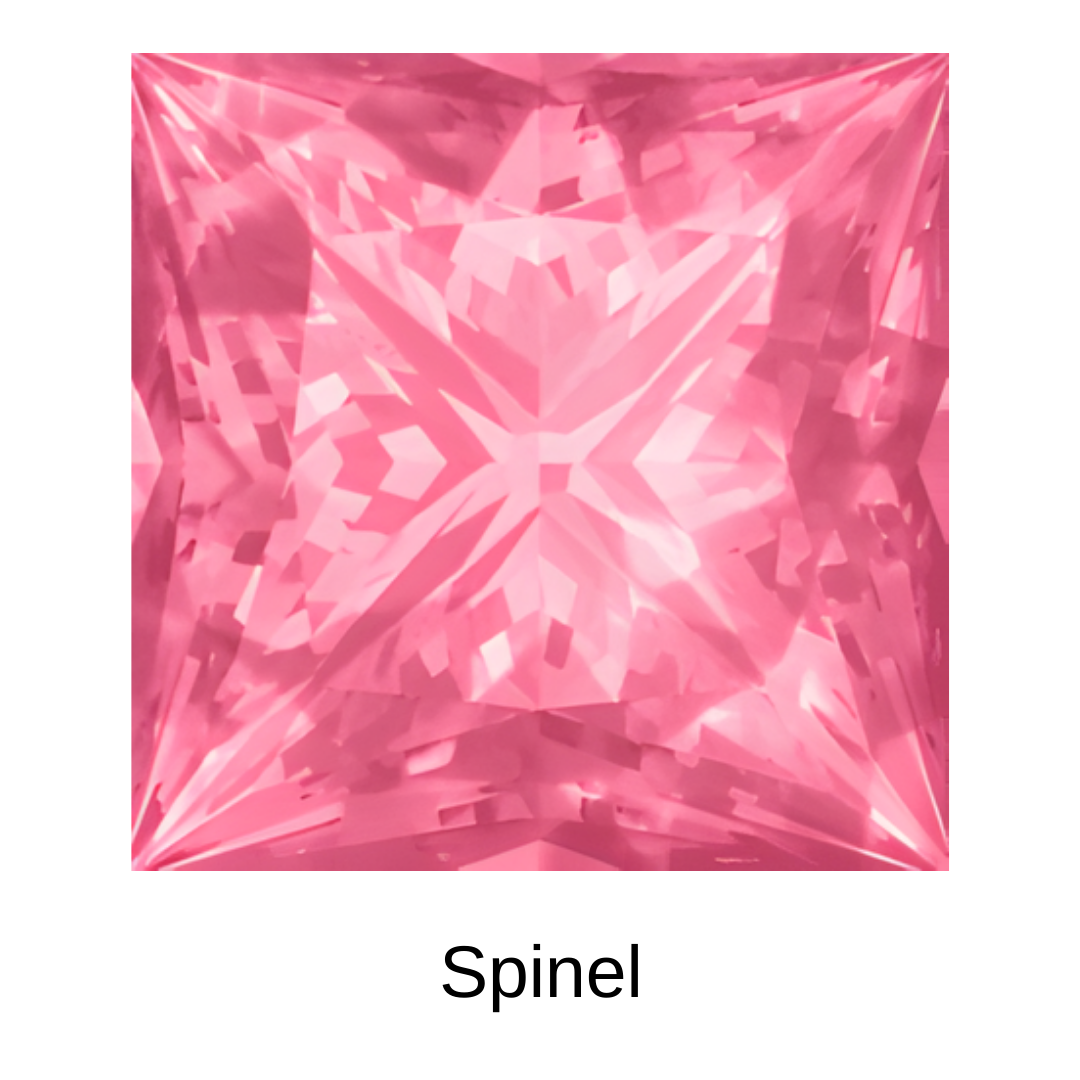
Colours and Types: Spinel occurs in a wide range of colours, including red, pink, blue, purple, and black. It is often mistaken for other gemstones, such as ruby and sapphire, due to its similar appearance.
What Makes It Special: Spinel is prized for its vivid colours, exceptional brilliance, and affordability, making it an attractive option for jewellery.
How Tough Is It?: With a hardness rating of 7.5 to 8 on the Mohs scale, spinel is durable and suitable for various jewellery applications.
Historical Significance: Spinel was highly valued by monarchs and nobility throughout history and was often used in crown jewels.
Design Possibilities: Spinel’s vibrant colours and brilliance lend themselves well to various jewellery designs, from classic solitaire rings to modern and edgy pieces, adding a pop of colour and sophistication to any ensemble.
Price Range: Spinel prices can vary depending on factors such as colour, clarity, size, and origin, typically ranging from £50 to £500 per carat for high-quality stones with vibrant colours such as red, pink, and blue.
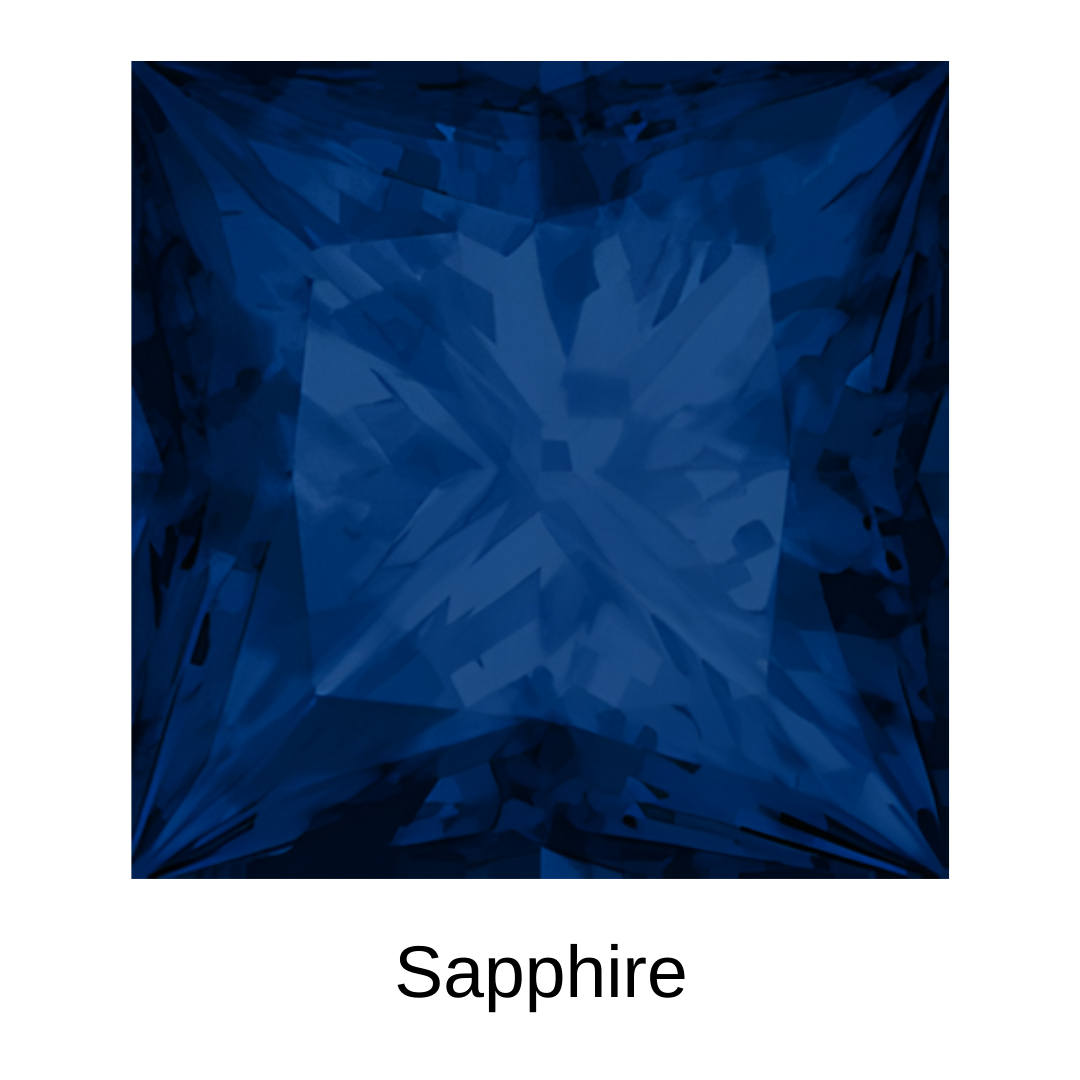
Sapphire
Where It Comes From: Sapphires are found in many countries worldwide, with major sources including Sri Lanka, Myanmar (Burma), and Madagascar.
Colours and Types: Sapphires occur in a range of colours, including blue, pink, yellow, and green. The most valuable sapphires are typically blue.
What Makes It Special: Sapphires are prized for their stunning colour, exceptional brilliance, and durability, making them a popular choice for engagement rings and fine jewellery.
How Tough Is It?: With a hardness rating of 9 on the Mohs scale, sapphires are one of the hardest gemstones, second only to diamonds, making them highly durable and suitable for everyday wear.
Historical Significance: Sapphire has been cherished throughout history for its stunning beauty and association with royalty and nobility.
Design Possibilities: Sapphires offer endless design possibilities, allowing for the creation of timeless and elegant jewellery pieces that showcase their beauty and brilliance.
Price Range: Sapphire prices can vary greatly depending on factors such as colour, clarity, size, and origin, with prices typically ranging from £100 to over £5,000 per carat for high-quality stones with vibrant blue hues, while rare colours like pink and padparadscha can command even higher prices.
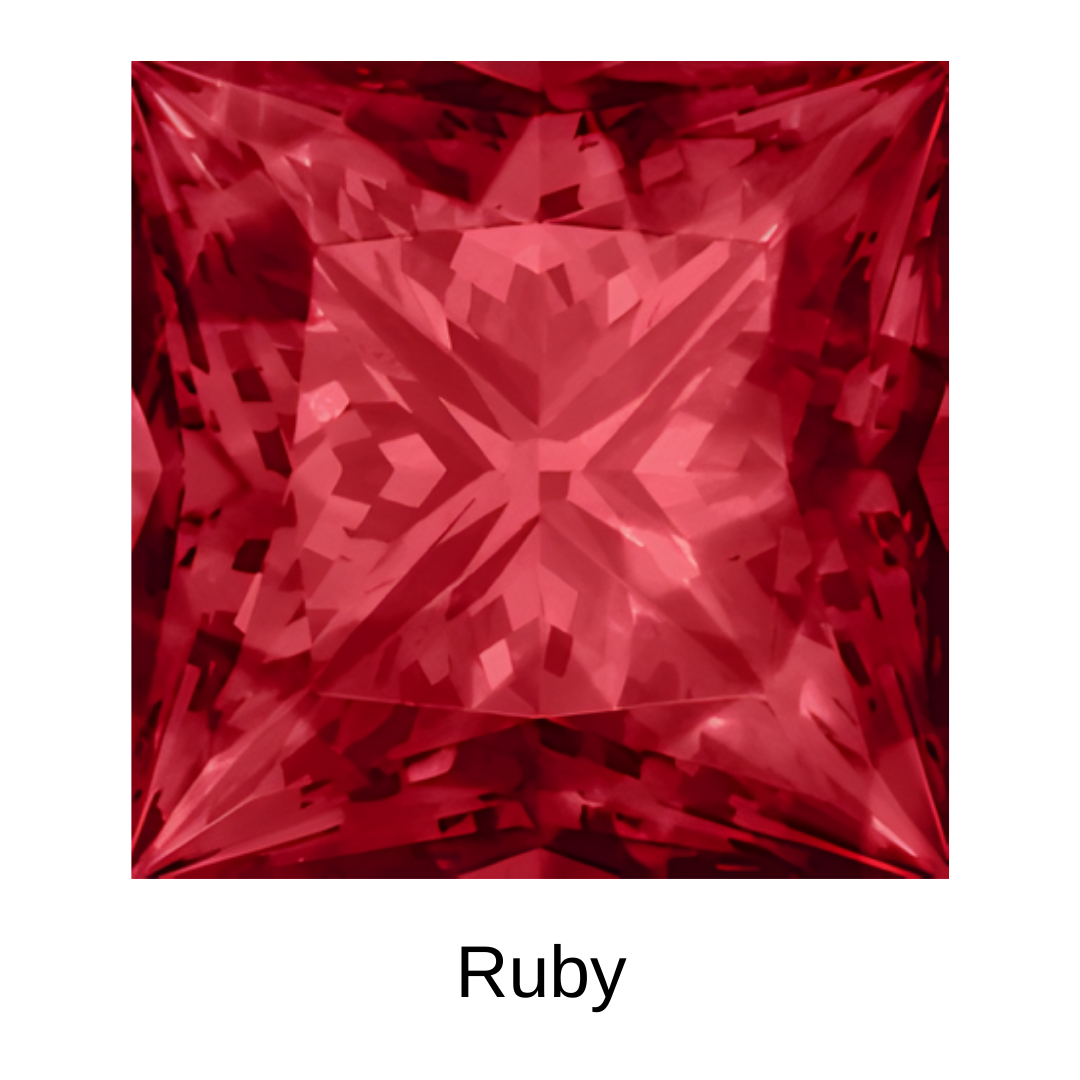
Ruby
Where It Comes From: Rubies are primarily mined in countries such as Myanmar (Burma), Thailand, and Mozambique.
Colours and Types: Rubies are known for their rich red colour, ranging from pinkish-red to deep crimson. They belong to the corundum family of gemstones.
What Makes It Special: Rubies are prized for their intense colour, durability, and rarity, making them one of the most valuable gemstones.
How Tough Is It?: With a hardness rating of 9 on the Mohs scale, rubies are among the hardest gemstones, making them highly durable and suitable for everyday wear.
Historical Significance: Ruby boasts an illustrious and ancient lineage, earning it the distinguished title of the “King of Gems” due to its enduring popularity throughout the ages.
Design Possibilities: Rubies lend themselves well to various jewellery designs, from classic solitaire rings to elaborate statement necklaces, adding a touch of luxury and sophistication to any ensemble.
Price Range: Ruby prices can vary significantly based on factors such as colour, clarity, size, and origin, with prices typically ranging from £500 to over £10,000 per carat for high-quality stones with intense red colour and few inclusions.
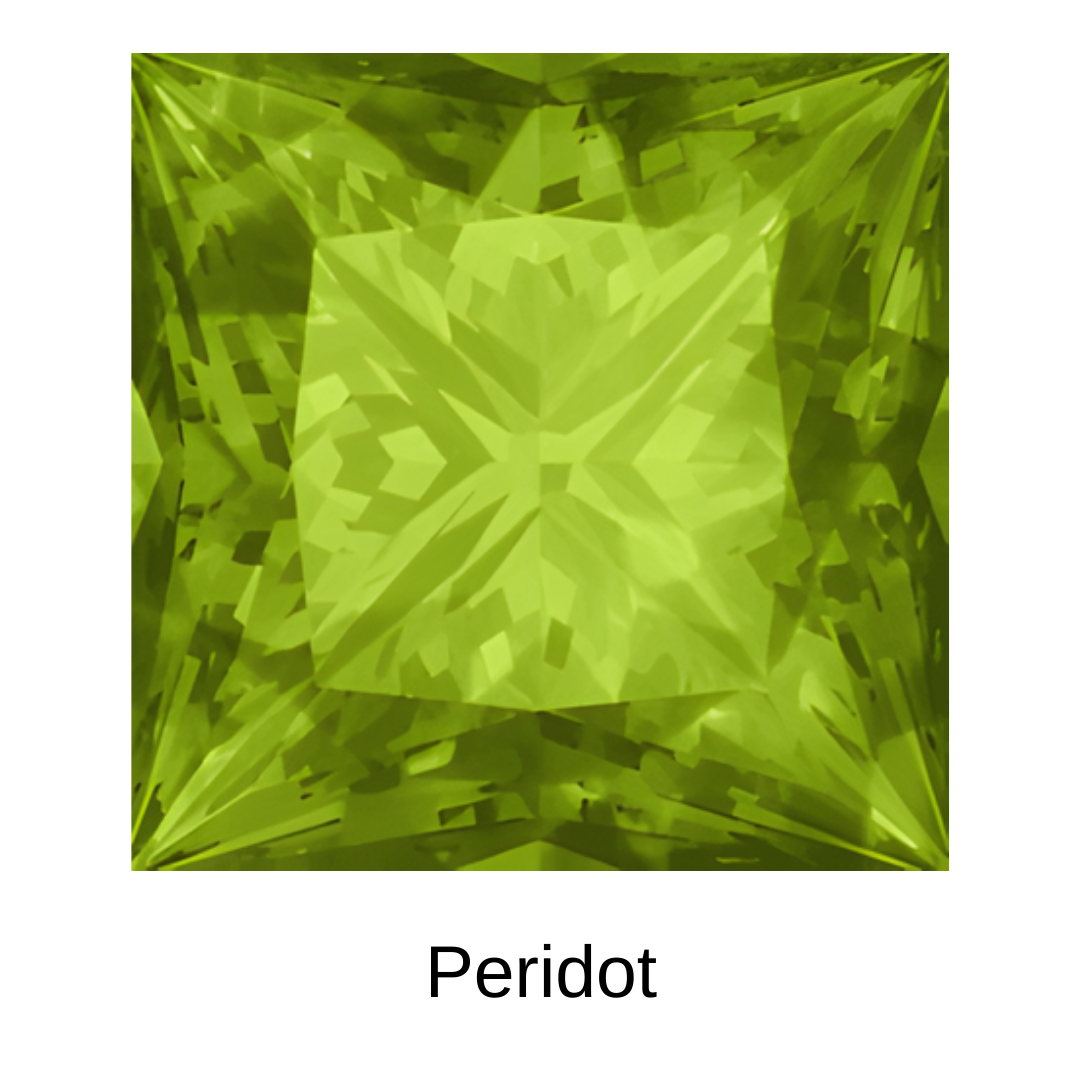
Peridot
Where It Comes From: Peridot is found in various locations, including the United States, China, and Pakistan.
Colours and Types: Peridot is typically olive-green, ranging from yellowish-green to brownish-green. It is one of the few gemstones that occur in only one colour.
What Makes It Special: Peridot is prized for its vibrant green hue and is often associated with positive energy and healing properties.
How Tough Is It?: With a hardness rating of 6.5 to 7 on the Mohs scale, peridot is relatively durable but may require care to prevent scratches and chips.
Historical Significance: Peridot has a long history dating back over 4,000 years. It was highly prized by ancient Egyptians, who called it the “gem of the sun”.
Design Possibilities: Peridot’s vivid green colour makes it a versatile gemstone for various jewellery designs, from simple stud earrings to intricate pendant necklaces, adding a pop of colour to any ensemble.
Price Range: Peridot prices typically range from £20 to £200 per carat, with factors such as colour intensity, clarity, and size influencing the value of this vibrant green gemstone.
Opal
Where It Comes From: Opals are primarily mined in countries such as Australia, Ethiopia, and Mexico.
Colours and Types: Opals display a unique play-of-colour, with flashes of iridescence against a white or black background. They come in a variety of colours, including white, black, and fire opals with vibrant hues.
What Makes It Special: Opals are prized for their mesmerising play-of-colour, which gives each stone a unique and dynamic appearance.
How Tough Is It?: With a hardness rating of 5.5 to 6.5 on the Mohs scale, opals are relatively soft and require gentle care to prevent damage.
Historical Significance: Opal has a rich and diverse history spanning cultures and civilizations.
Design Possibilities: Opals offer endless design possibilities, allowing for the creation of one-of-a-kind jewellery pieces that showcase their captivating play of colour.
Price Range: Opal prices can vary greatly depending on factors such as colour play, clarity, size, and origin, typically ranging from £20 to £500 per carat for high-quality stones with vibrant play-of-colour.
Morganite
Where It Comes From: Morganite is primarily mined in countries such as Brazil, Madagascar, and Mozambique.
Colours and Types: Morganite ranges in colour from pale pink to peachy pink, owing to traces of manganese in its composition.
What Makes It Special: Morganite’s delicate hues and sparkling clarity make it a popular choice for feminine and romantic jewellery pieces.
Historical Significance: Morganite was discovered in the early 20th century and named after financier and gem enthusiast J.P. Morgan. While it does not have significant historical significance, it has become increasingly popular in recent years for its delicate pink hues and romantic appeal.
How Tough Is It?: With a hardness rating of 7.5 to 8 on the Mohs scale, morganite is durable enough for everyday wear but may require occasional care to maintain its lustre.
Design Possibilities: Morganite’s soft colours and brilliance lend themselves well to various jewellery designs, from vintage-inspired rings to dainty pendant necklaces, adding a touch of elegance to any ensemble.
Price Range: Morganite prices can range from £50 to £500 per carat, with the pink to peach hues and clarity being significant factors affecting its value as a popular choice for engagement rings.
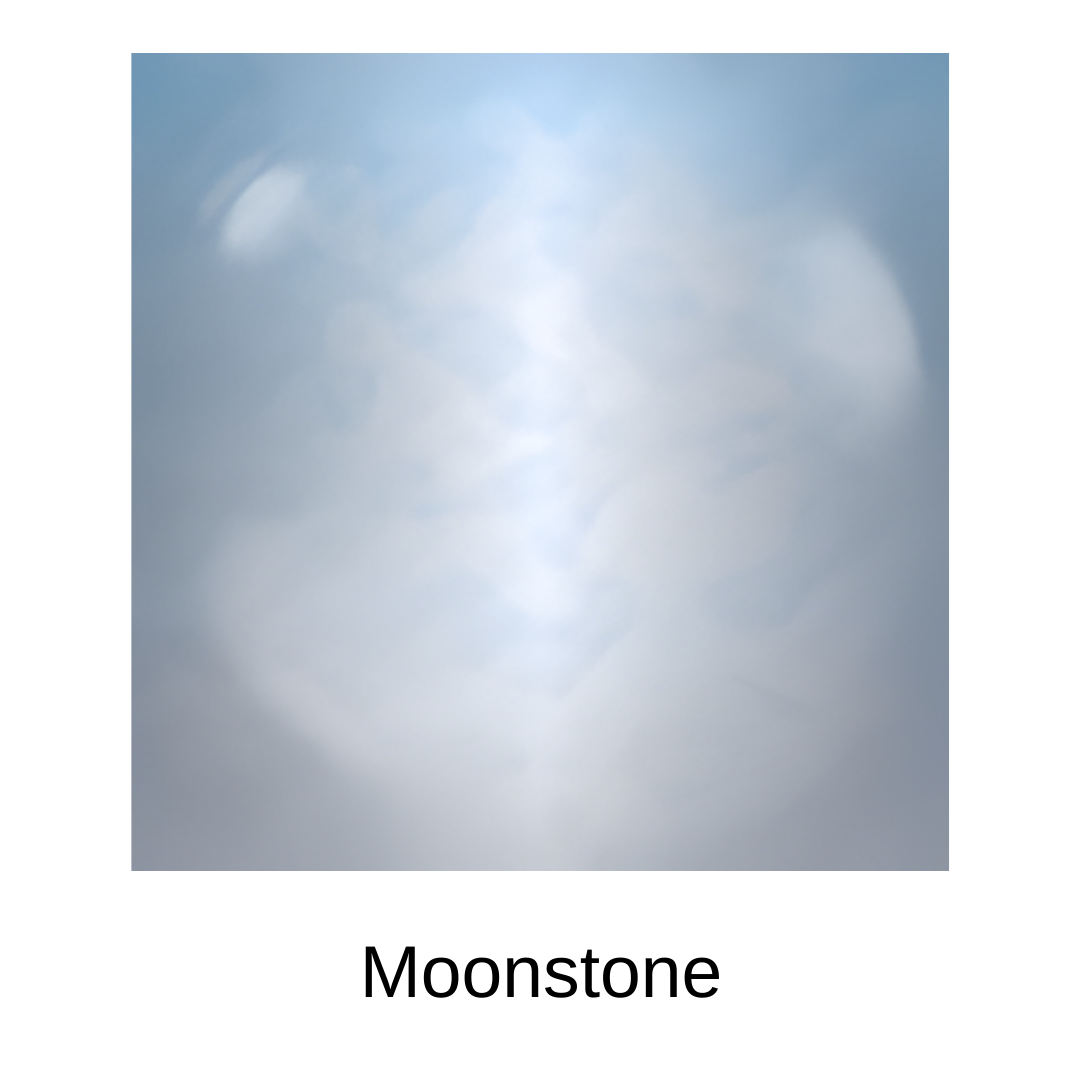
Moonstone
Where It Comes From: Moonstone is found in various countries, including India, Sri Lanka, and Madagascar.
Colours and Types: Moonstone exhibits a unique adularescence, a phenomenon where light appears to billow across the surface, giving it a soft, ethereal glow. It is typically white or blue.
What Makes It Special: Moonstone is popular for its mystical appearance and associations with femininity, intuition, and emotional balance.
How Tough Is It?: With a hardness rating of 6 to 6.5 on the Mohs scale, moonstone is relatively soft and requires gentle care to prevent scratches and damage.
Historical Significance: Moonstone has a rich history dating back centuries. In ancient cultures, it was believed to be linked to the moon and was considered sacred. Moonstone was often used in jewellery by the Romans, who associated it with their lunar deities.
Design Possibilities: Moonstone’s enchanting appearance lends itself well to bohemian-inspired jewellery designs, such as stackable rings, layered necklaces, and delicate earrings.
Price Range: Moonstone prices typically range from £10 to £100 per carat, with factors such as colour, clarity, and adularescence influencing the value of this ethereal gemstone.
Moissanite
Where It Comes From: Moissanite is a naturally occurring mineral, but most moissanite used in jewellery is lab-created.
Colours and Types: Moissanite is typically colourless or near-colourless, resembling diamonds in appearance.
What Makes It Special: Moissanite has a brilliance and fire that rivals diamonds, making it a popular alternative for engagement rings and other jewellery.
How Tough Is It?: With a hardness rating of 9.25 on the Mohs scale, moissanite is one of the hardest gemstones, making it extremely durable and suitable for everyday wear.
Design Possibilities: Moissanite offers versatility in jewellery design, allowing for classic and modern styles that showcase its brilliance and sparkle.
Price Range: Moissanite prices vary depending on size and quality, typically ranging from £100 to £1,000 per carat, offering an affordable alternative to diamonds.
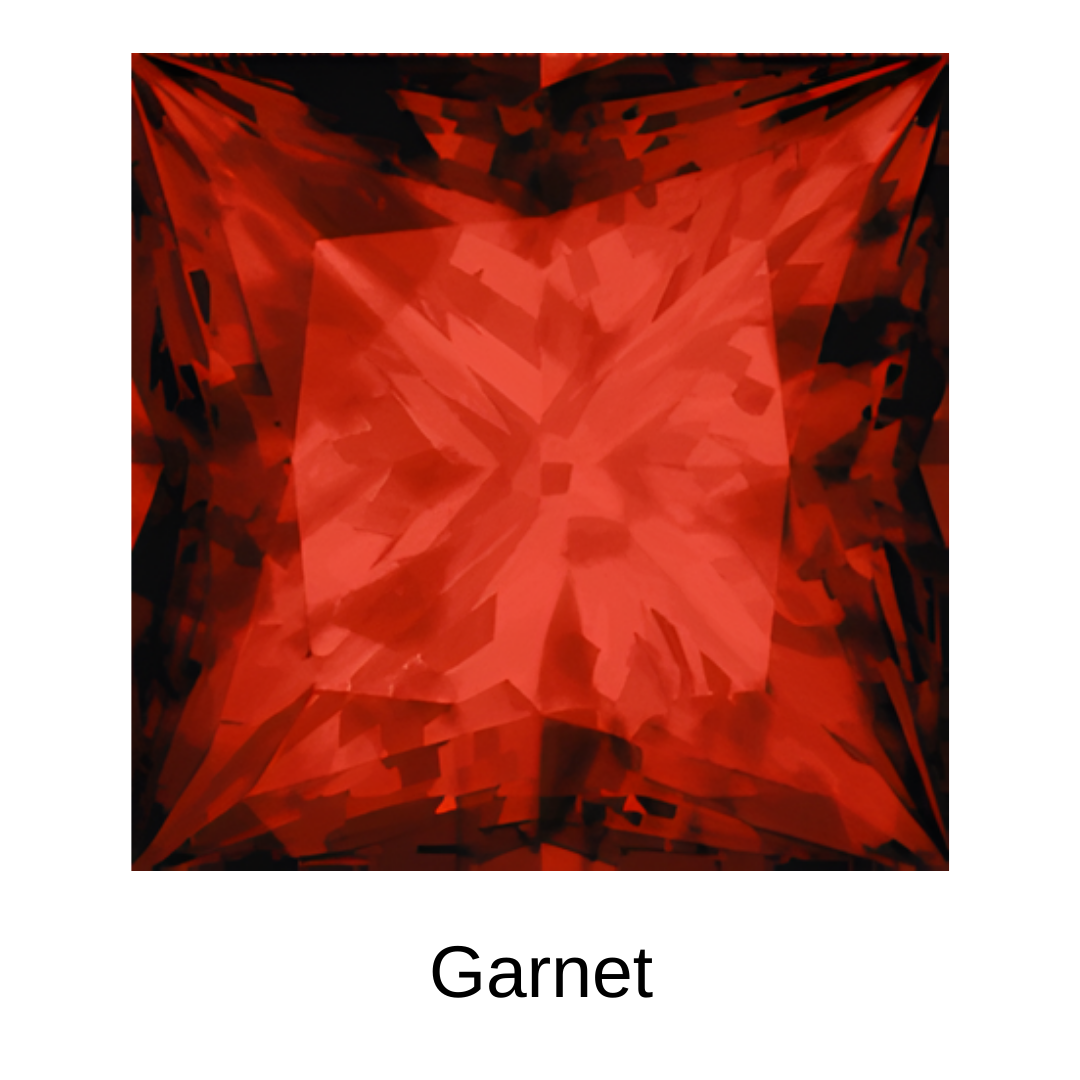
Garnet
Where It Comes From: Garnets are found in many countries worldwide, including India, Madagascar, and the United States.
Colours and Types: Garnets come in a variety of colours, including red (pyrope), green (tsavorite), and orange (spessartite). They are also available in shades of yellow, brown, and black.
What Makes It Special: Garnets are known for their brilliance and versatility, offering a wide range of colours and affordable price points.
How Tough Is It?: With a hardness rating of 6.5 to 7.5 on the Mohs scale, garnets are relatively durable and suitable for various jewellery applications.
Historical Significance: Garnets have been used in jewellery for thousands of years and are often associated with love, passion, and vitality.
Design Possibilities: Garnets can be used in a variety of jewellery designs, from classic solitaire rings to intricate beaded necklaces, offering endless possibilities for creativity and expression.
Price Range: Garnet prices can vary, typically ranging from £10 to £100 per carat, depending on factors such as colour, clarity, size, and the specific type of garnet, with rare varieties like demantoid garnet commanding higher prices.
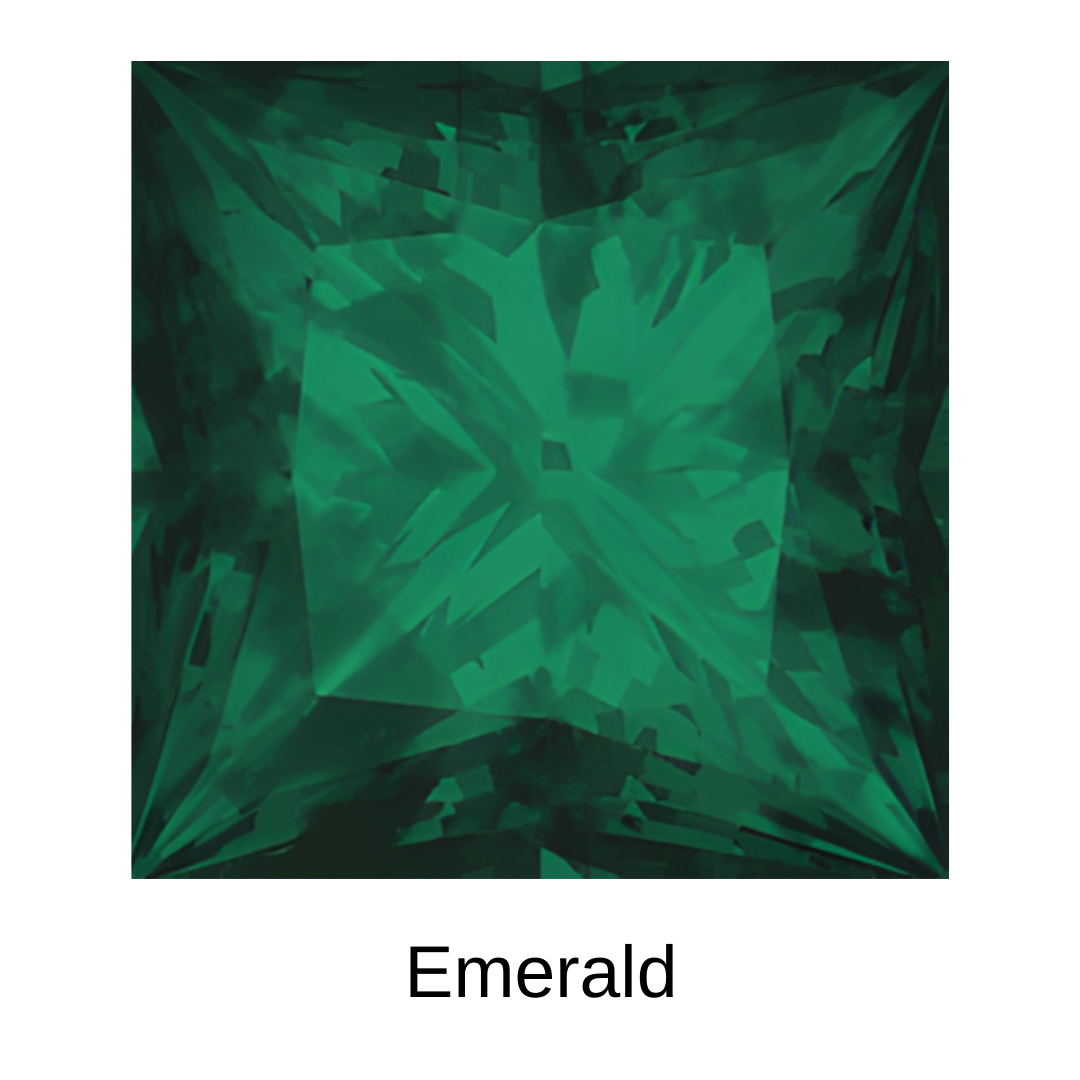
Emerald
Where It Comes From: Emeralds are primarily mined in countries such as Colombia, Zambia, and Brazil and also grown in Laboratory.
Colours and Types: Emeralds are known for their rich green colour, ranging from light to dark shades. They belong to the beryl family of gemstones.
What Makes It Special: Emeralds are prized for their intense green hue and natural beauty, often associated with luxury and elegance.
How Tough Is It?: With a hardness rating of 7.5 to 8 on the Mohs scale, emeralds are relatively durable but may require special care due to their inherent inclusions.
Historical Significance: Emeralds have a long history of being cherished by royalty and nobility, with ancient civilizations attributing spiritual properties to the gemstone.
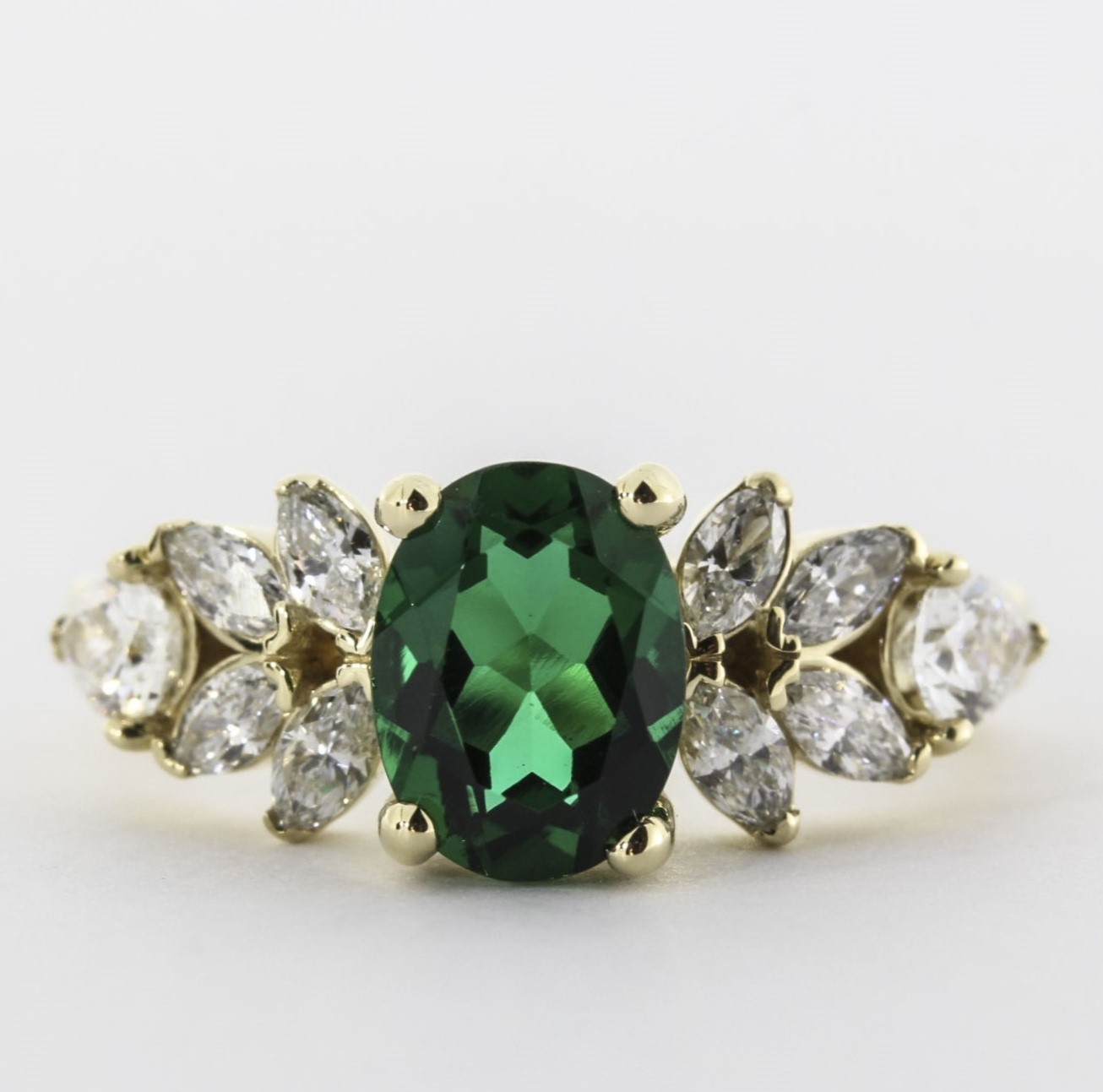
Design Possibilities: Emeralds lend themselves well to various jewellery designs, from classic solitaire rings to intricate pendant necklaces, offering a touch of timeless sophistication to any piece.
Price Range: Emerald prices can vary significantly based on factors such as color, clarity, size, and origin, with prices typically ranging from £100 to over £10,000 per carat for high-quality stones.
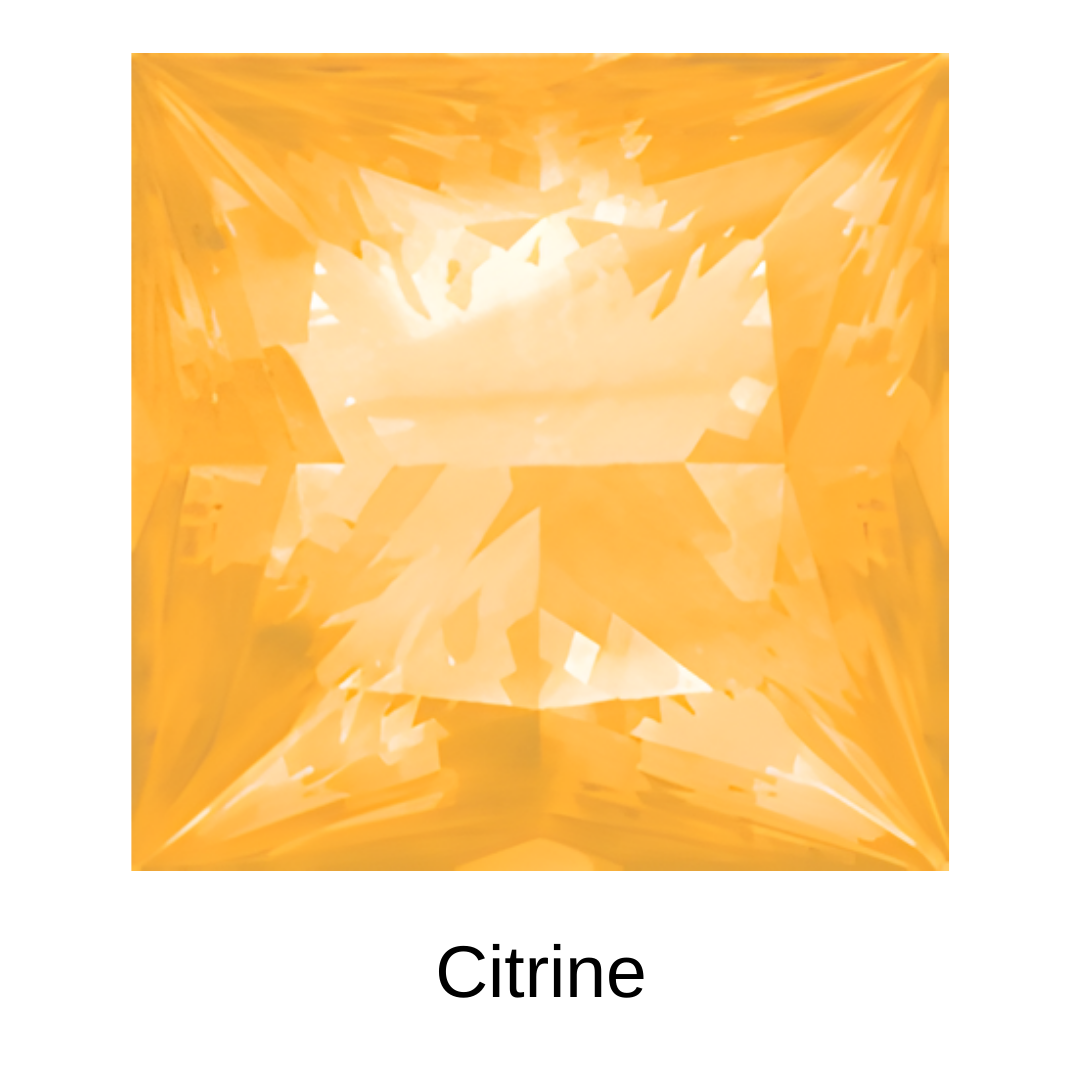
Citrine
Where It Comes From: Citrine is found in various countries, including Brazil, Bolivia, and Madagascar.
Colours and Types: Citrine ranges in colour from pale yellow to deep orange-brown. It’s often confused with yellow topaz.
What Makes It Special: Citrine’s warm hues and affordability make it a popular alternative to more expensive yellow gemstones.
How Tough Is It?: With a hardness rating of 7 on the Mohs scale, citrine is durable and suitable for everyday wear.
Historical Significance: Citrine has been associated with wealth and prosperity throughout history, believed to bring success and abundance to its wearer.
Design Possibilities: Citrine’s versatility allows for various jewellery designs, from delicate earrings to bold cocktail rings.
Price Range: Citrine prices can range from approximately £10 to £100 per carat, depending on factors such as colour intensity, clarity, cut, and size, with deeper and more vibrant orange-yellow hues typically commanding higher prices.
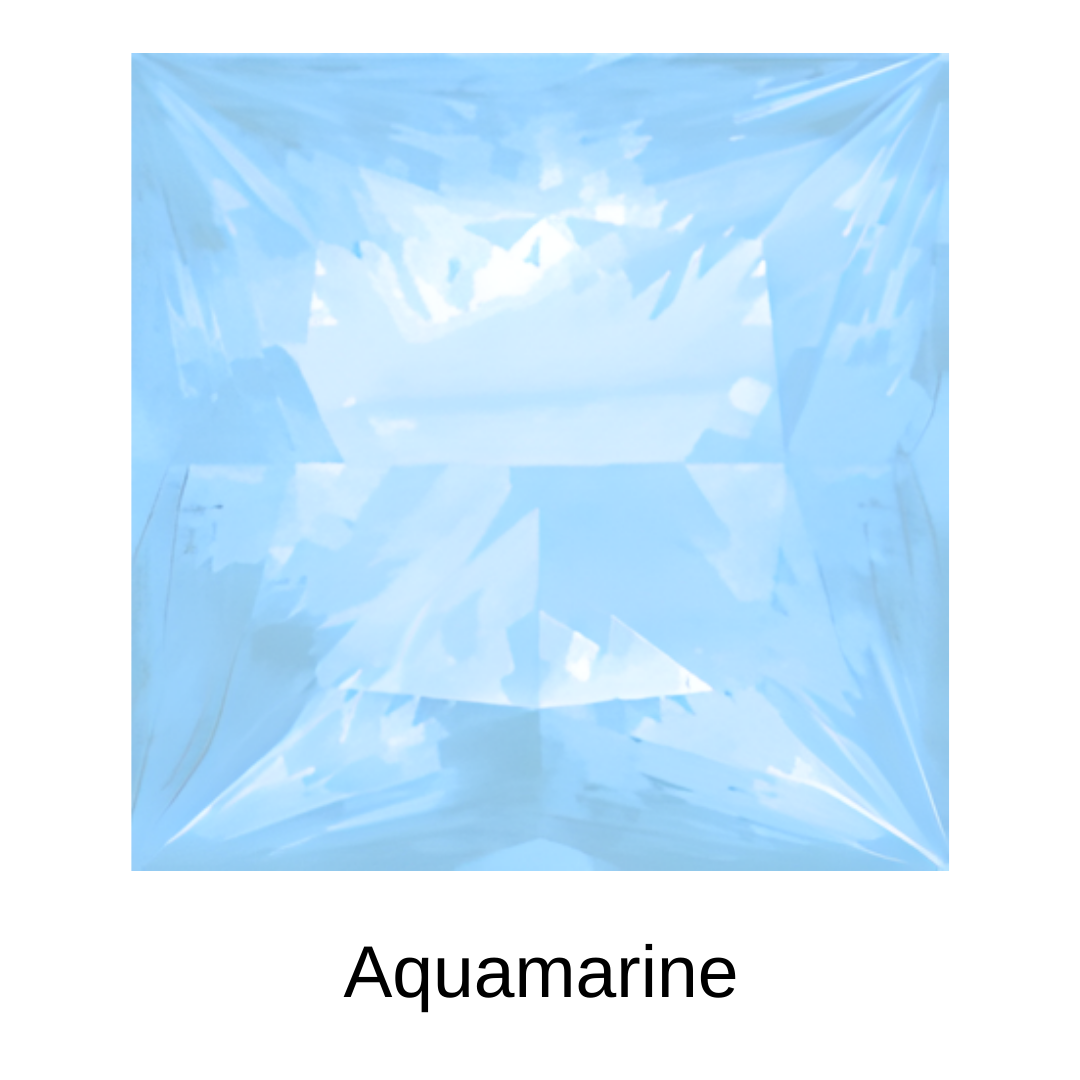
Aquamarine
Where It Comes From: Aquamarine is found in various locations, including Brazil, Madagascar, and Nigeria.
Colours and Types: Aquamarine’s name comes from its seawater-like blue colour. It can range from pale blue to deep blue-green.
What Makes It Special: Aquamarine’s serene blue hue evokes the calming qualities of the ocean, making it a popular choice for jewellery.
How Tough Is It?: With a hardness rating of 7.5 to 8 on the Mohs scale, aquamarine is durable and suitable for everyday wear.
Historical Significance: Aquamarine has long been associated with water and was believed to protect sailors.
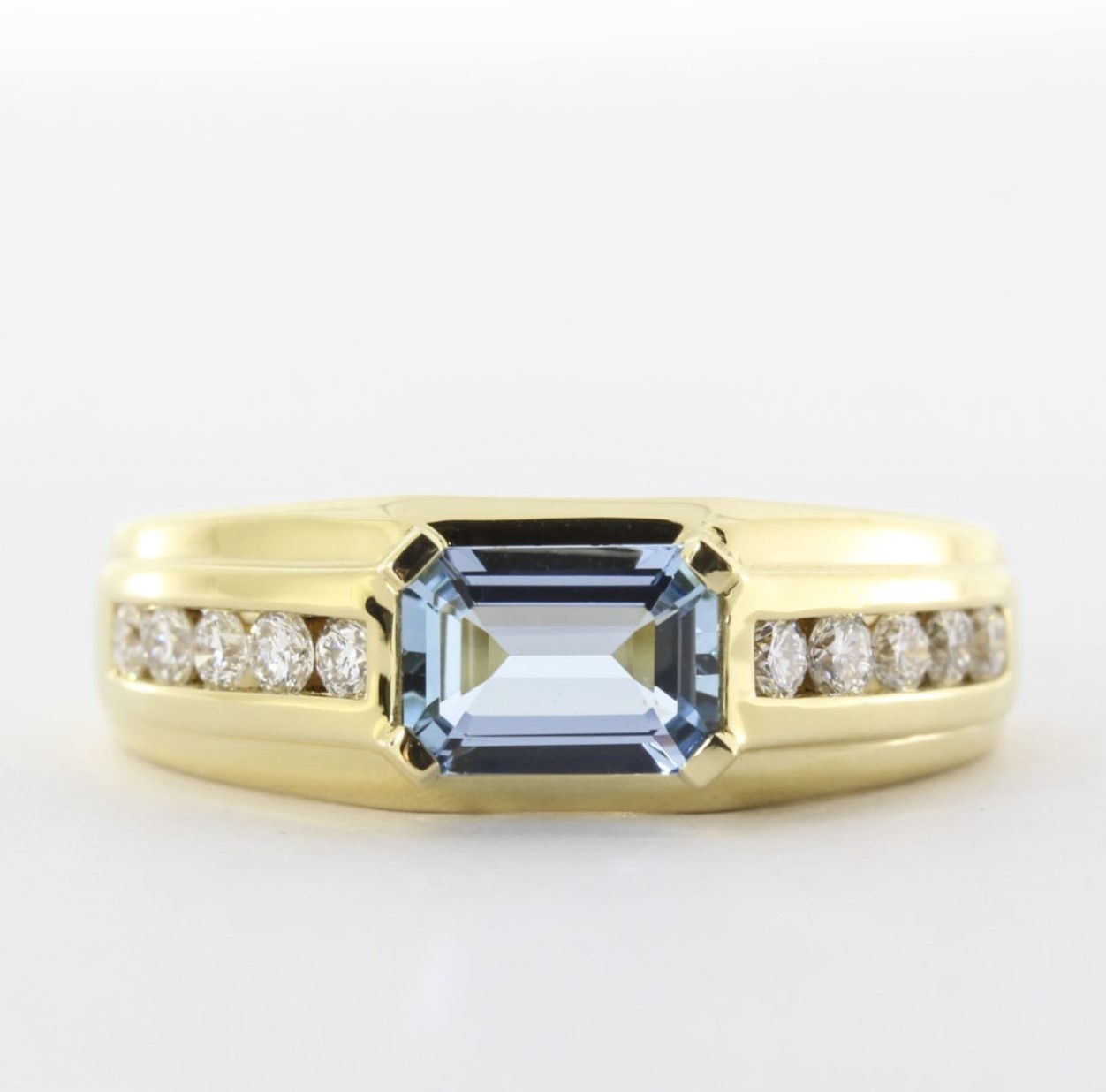
Design Possibilities: Aquamarine’s versatility allows for various jewellery designs, from classic solitaire rings to intricate pendant necklaces.
Price Range: Aquamarine prices can vary widely depending on factors such as color, clarity, size, and origin, with prices typically ranging from £50 to £500 per carat for high-quality stones.
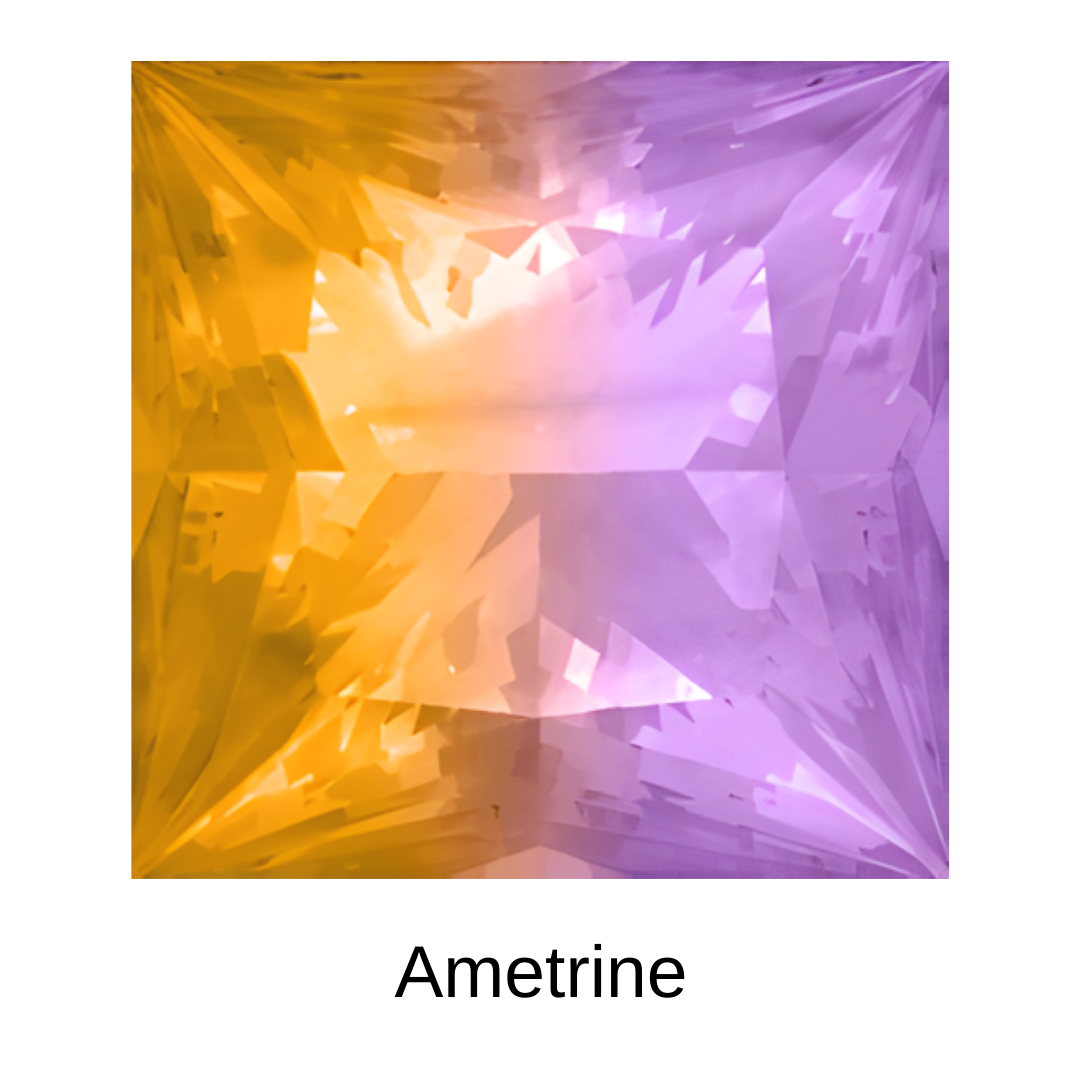
Ametrine
Where It Comes From: Ametrine is primarily mined in Bolivia, where amethyst and citrine crystals form together in the same deposit.
Colours and Types: Ametrine displays a combination of purple and yellow hues due to the presence of both amethyst and citrine in the same stone. They are mostly present in bigger sizes.
What Makes It Special: The unique colour combination of ametrine makes it a rare and sought-after gemstone, blending the properties of both amethyst and citrine.
How Tough Is It?: With a hardness rating similar to amethyst, around 7 on the Mohs scale, ametrine is durable and suitable for various jewellery settings.
Historical Significance: Ametrine is a relatively recent discovery compared to other gemstones, but it has quickly gained popularity among gem enthusiasts for its striking appearance.
Design Possibilities: Ametrine’s distinctive colouration offers endless design possibilities, allowing for the creation of one-of-a-kind jewellery pieces like engagement rings and pendants that showcase its unique beauty.
Price Range: Ametrine prices can vary, typically ranging from £20 to £200 per carat, depending on the quality of the colour division and the overall clarity and size of the gemstone.
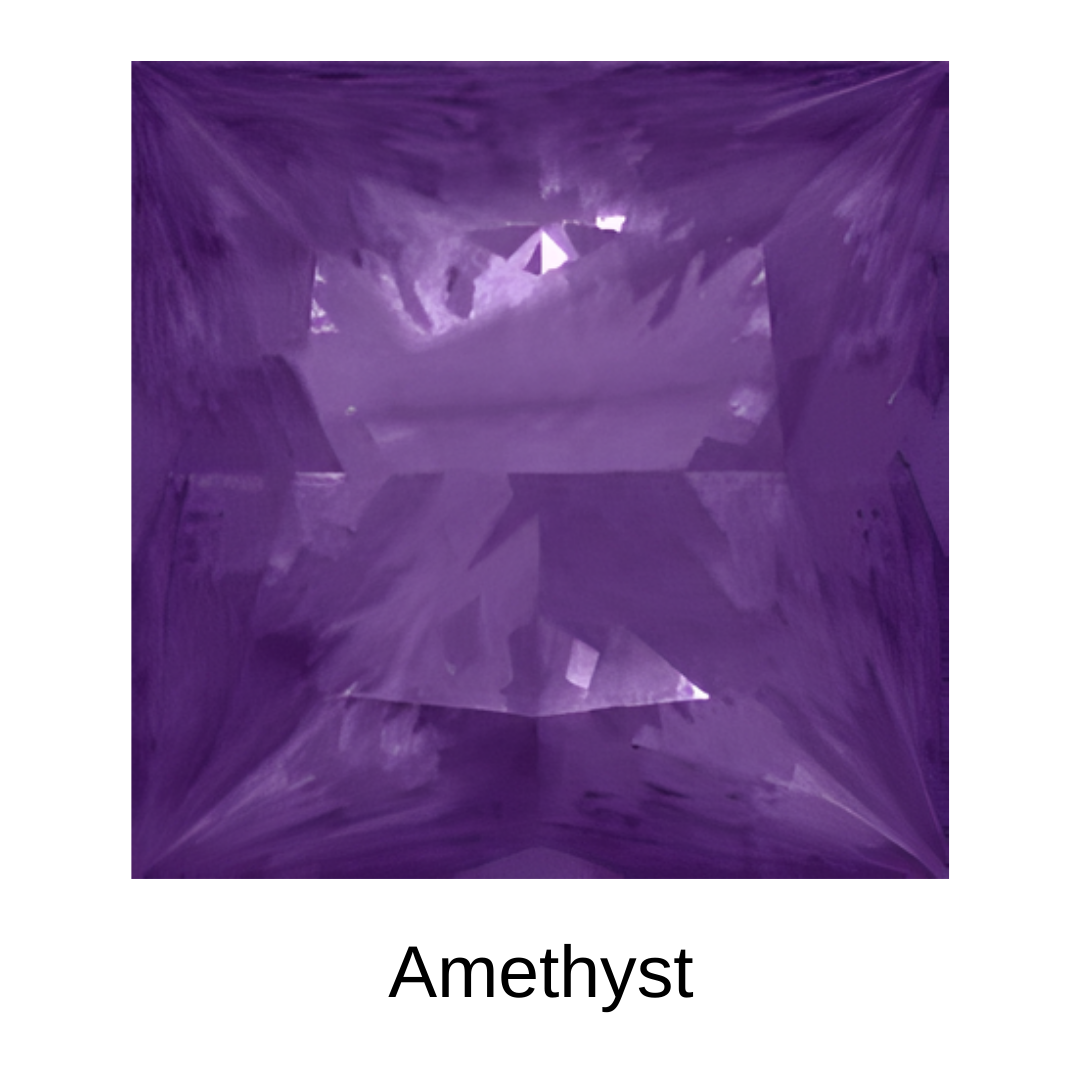
Amethyst
Where It Comes From Amethyst is found in various countries, including Brazil, Uruguay, and Zambia.
Colours and Types: Amethyst ranges in colour from pale lilac to deep purple. It’s a type of quartz and often occurs in geodes or clusters.
What Makes It Special: Amethyst is prized for its beautiful purple hue and has been associated with royalty and spirituality throughout history.
How Tough Is It?: With a hardness rating of 7 on the Mohs scale, amethyst is relatively durable and suitable for everyday wear.
Historical Significance: In ancient times, amethyst was believed to promote clarity of mind.
Design Possibilities: Amethyst is versatile and can be used in various jewellery designs, from delicate pendants to bold statement pieces.
Price Range: Amethyst prices can range from approximately £10 to £100 per carat, depending on factors such as colour saturation, clarity, cut, and size.
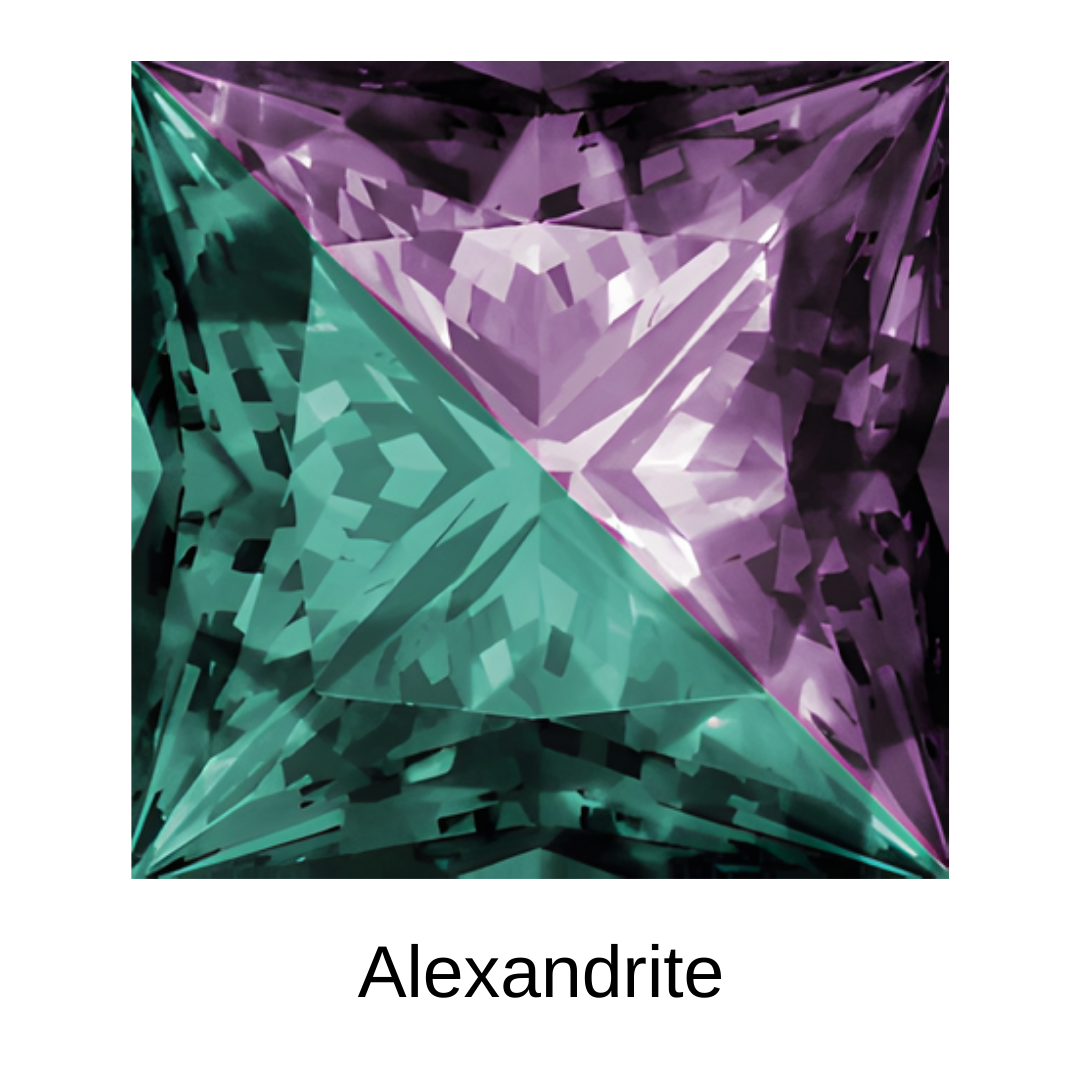
Alexandrite
Where It Comes From Alexandrite’s origins trace back to the Ural Mountains of Russia, where it was first discovered in the early 19th century. Today, it is also found in select locations such as Brazil, Sri Lanka, and East Africa.
Colours and Types What sets Alexandrite apart is its remarkable ability to change colour depending on the light source, shifting from emerald green in natural light to a stunning ruby red under incandescent light.
What Makes It Special With its exquisite colour-changing feature and striking hues, Alexandrite embodies elegance and sophistication like no other gemstone.
How Tough Is It? Consisting of a high hardness of 8.5 on the Mohs scale, Alexandrite ensures lasting beauty and resilience, perfect for creating heirloom-quality jewellery pieces..
Historical Significance Throughout history, Alexandrite has been revered as a symbol of wealth, prosperity, and good fortune, making it a prized possession for generations.
Design Possibilities From classic solitaire rings to intricate pendant necklaces and statement earrings, Alexandrite offers endless design possibilities, each piece showcasing its unique charm and allure.
Price Range: The price range for alexandrite varies widely based on factors like colour, clarity, size, and origin, typically ranging from £5,000 to over £50,000 per carat for high-quality stones.
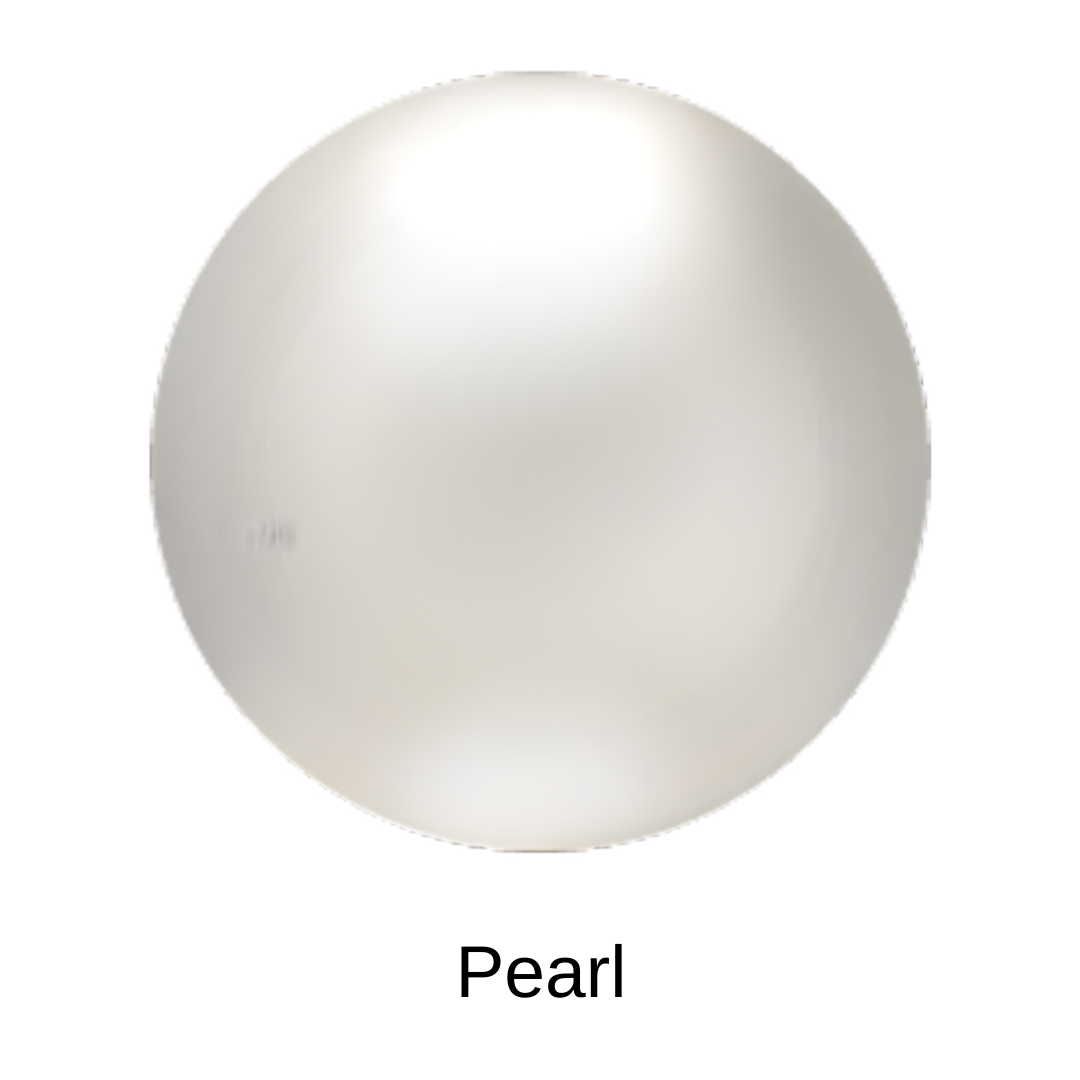
Pearl
Where It Comes From: Pearls are harvested from molluscs in various regions worldwide, including Japan, China, and the Persian Gulf.
Colours and Types: Pearls come in a range of colours, including white, cream, pink, and black. They can be freshwater or saltwater pearls, with freshwater pearls typically being more irregular in shape.
What Makes It Special: Pearls have been cherished for their lustrous beauty and timeless elegance for centuries, symbolising purity, wisdom, and femininity.
How Tough Is It?: Pearls are relatively soft, with a hardness rating of 2.5 to 4.5 on the Mohs scale, making them susceptible to scratches and damage from chemicals and acids.
Historical Significance: Pearls have a rich history dating back to ancient civilizations such as the Greeks, Romans, and Egyptians, who prized them for their rarity and beauty. Pearls were often associated with royalty and were used to adorn crowns, sceptres, and jewellery.
Design Possibilities: Pearls offer endless design possibilities, from classic pearl strands to modern and innovative jewellery designs. They can be incorporated into various styles, from vintage-inspired pieces to contemporary creations, adding a touch of sophistication and glamour to any ensemble.
Price Range: Pearl prices vary depending on factors such as size, shape, colour, lustre, surface quality, and origin, typically ranging from £10 to £100 per carat for cultured pearls, with natural pearls and rare varieties such as South Sea pearls commanding higher prices.
The Big Three: A Closer Look at the Famous Gems
Explore the selection of gemstones, offering an affordable pathway to incorporate your favourite gemstone into a bespoke ring.
Moissanite
Moissanite stands out as an exceptional diamond alternative, renowned for its ability to mirror the brilliance of diamonds at a fraction of the cost. With its remarkable similarity to diamonds, Moissanite has emerged as a popular choice for those in search of a budget-friendly yet stunning stone with a diamond-like sparkle. Beyond its affordability, one of Moissanite’s most compelling attributes lies in its versatility, offering limitless design possibilities. Its affordability, coupled with its captivating brilliance and design adaptability, makes Moissanite an attractive choice for individuals seeking both value and beauty in their jewellery pieces.
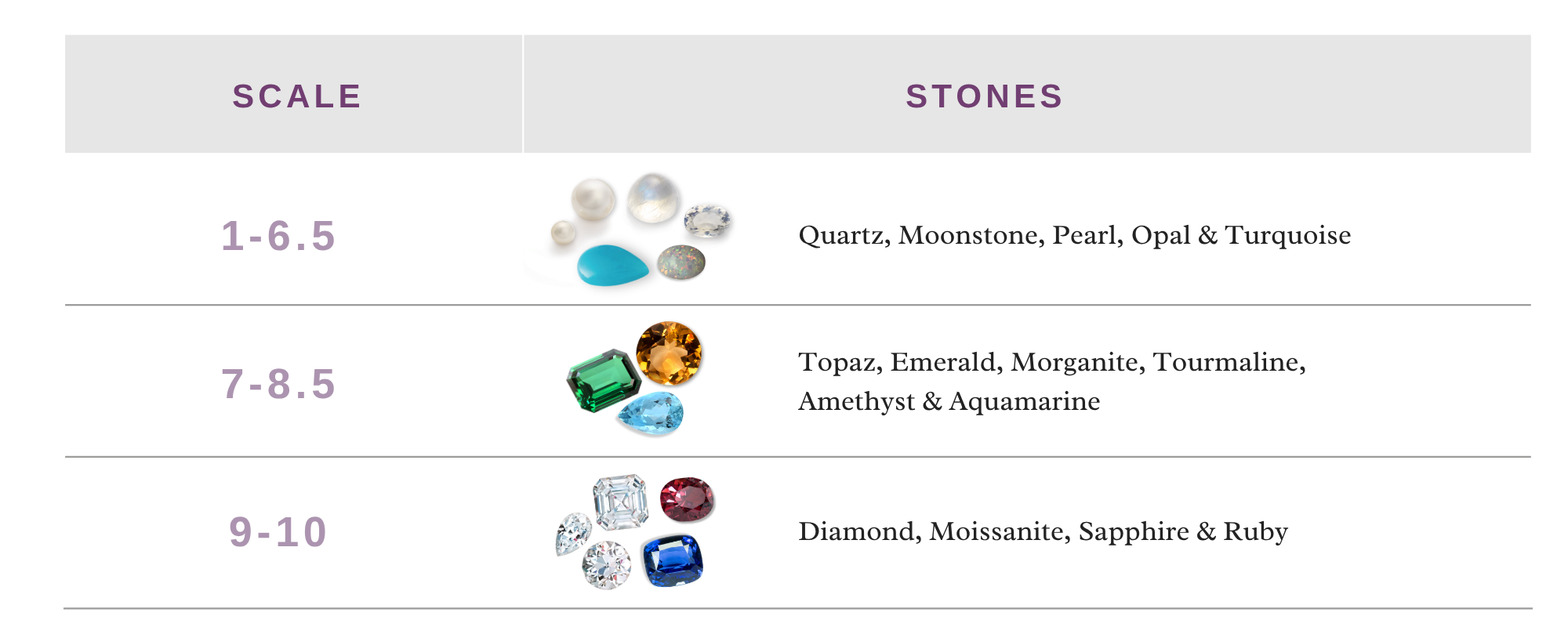
Gemstone Hardness Chart
Discover the Strength of your Gemstone with the Moh’s scale of hardness.
How much does it cost?
The cost of bespoke jewellery depends on the design, materials and gemstones you choose. We’ll work closely with you to create something that reflects your vision while keeping your budget in mind, with clear and transparent pricing throughout. Already have an idea in mind? Get in touch for a tailored quote, or book a design session to start exploring your options.
Knowledge Hub
At Durham Rose, we believe in empowering our clients with the knowledge they need to feel confident throughout their bespoke journey. While our team are always available to answer questions during consultations and throughout the process, we’ve also created a wealth of resources to help you understand every element of your jewellery and make informed decisions with confidence.
Jewellery Services
As a bespoke company, we offer a complete service that supports every stage, providing a seamless and personal experience designed entirely around you. From initial design through to creation and aftercare, every detail is thoughtfully considered to ensure your piece is crafted with complete care.
Explore Our Blog Posts
Curious about the world of bespoke jewellery? Discover the stories behind the process, gain insight into every stage of creating a unique piece, and find answers to your questions along the way. From designing the perfect engagement ring to understanding gemstones and precious metals, our blog is your go-to guide for all things bespoke jewellery