
All About Rubies:
The Fiery Gemstone of Love
Rich in colour, history and symbolism, rubies are a timeless choice for engagement rings and fine jewellery. Their vibrant red hue represents love and passion, while their durability makes them ideal for everyday wear and bespoke creations.
Rich in colour, history and symbolism, rubies are a timeless choice for engagement rings and fine jewellery. Their vibrant red hue represents love and passion, while their durability makes them ideal for everyday wear and bespoke creations.
Ruby: Is it Right Choice for You?
-
Cost: The cost of a ruby gemstone varies significantly depending on factors such as colour, clarity, carat weight, and origin. High-quality rubies, particularly those with vivid, deep red hues and minimal inclusions, can command premium prices. Origin also plays a role, with rubies from Myanmar (Burma) often being the most prized. Despite their cost, rubies are a timeless investment, celebrated for their rarity and enduring beauty.
-
Durability: Rubies are exceptionally durable, with a hardness of 9 on the Mohs scale, making them one of the hardest gemstones available. This durability ensures rubies are highly resistant to scratches and suitable for everyday wear. Whether set in rings, necklaces, or earrings, ruby jewellery is designed to last for generations, retaining its vibrant beauty over time.
-
Ethical Sourcing: At Durham Rose, we ensure our rubies are carefully sourced from reputable suppliers who follow responsible mining practices, emphasising environmental sustainability and fair labour conditions. By choosing ruby, you’re selecting a gemstone that reflects both beauty and a commitment to ethical standards.
-
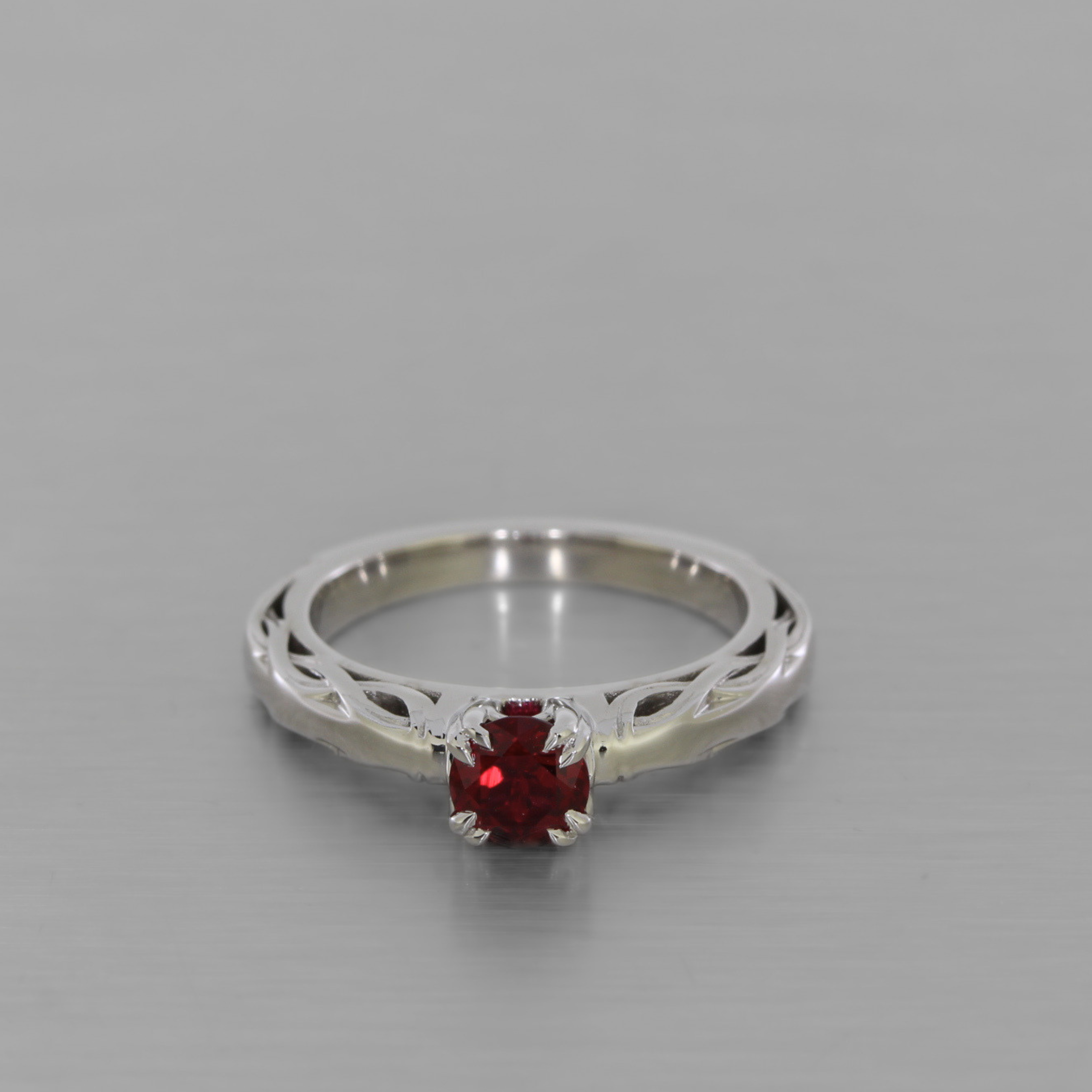
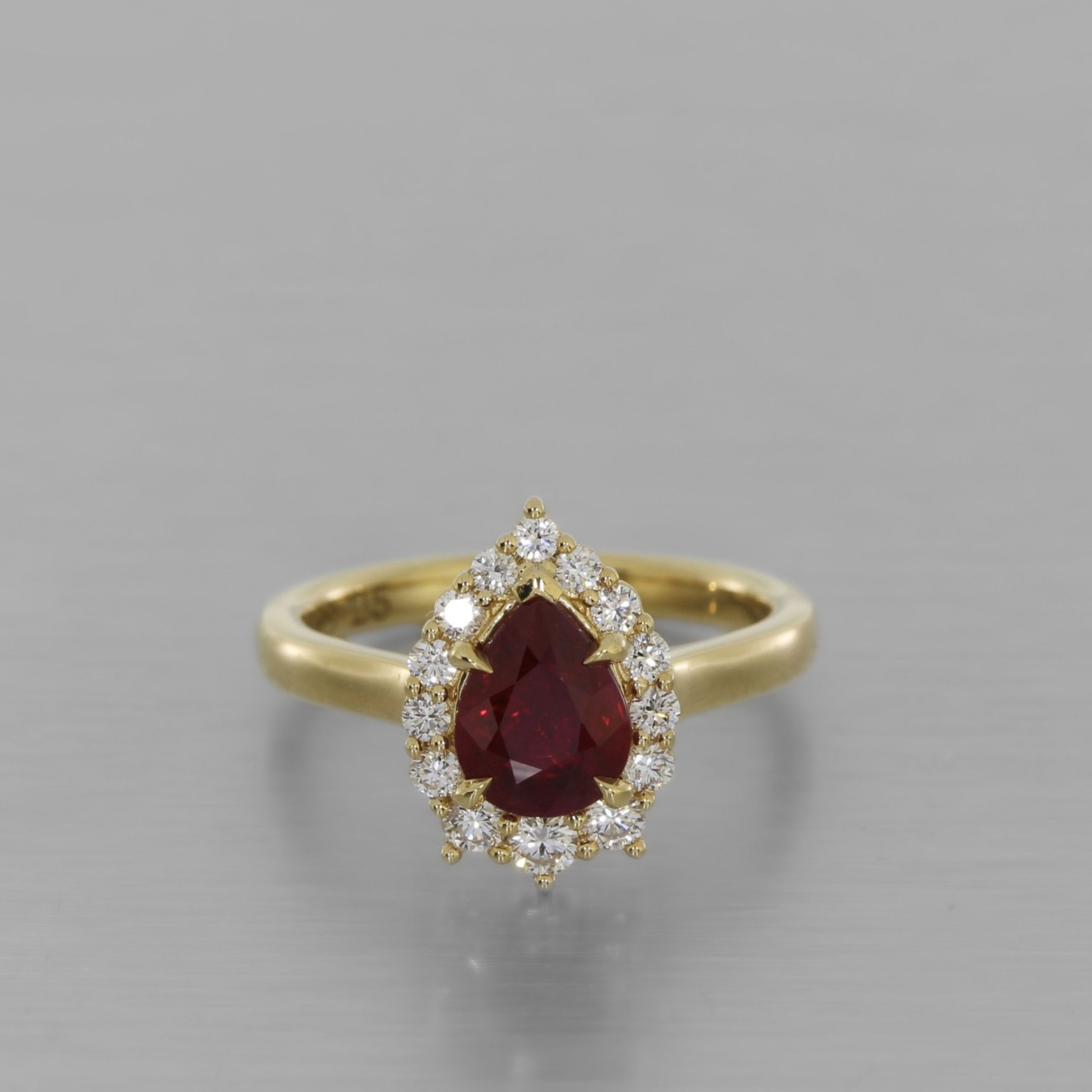
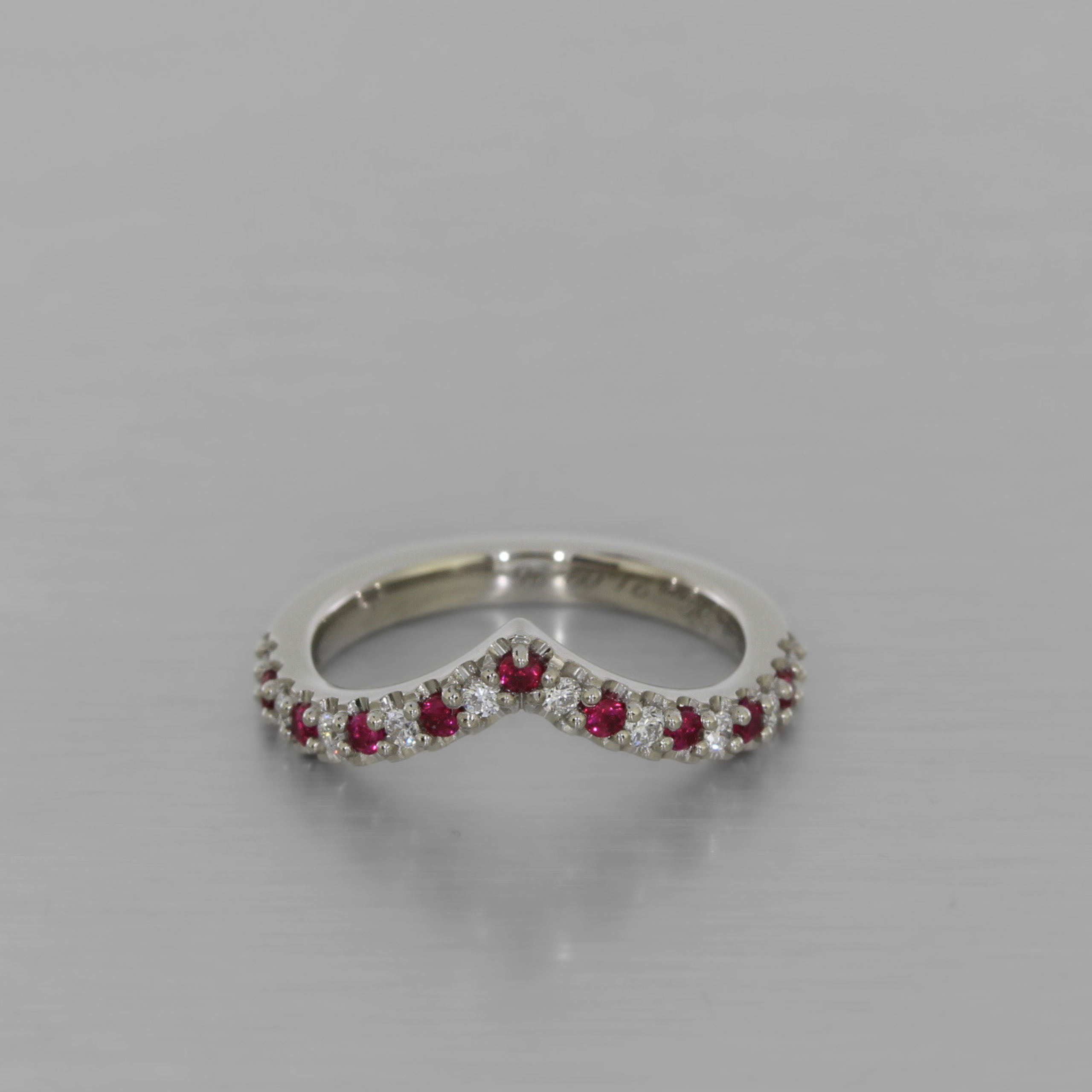
Design Versatility: The design versatility of rubies makes them a prized choice in fine jewellery. Their striking red hue exudes passion and elegance, effortlessly fitting into a variety of settings and styles. Rubies can be incorporated into classic solitaire designs, intricate vintage-inspired pieces, gothic style, adding a touch of dark romance or bold, modern statement rings. They pair beautifully with diamonds, creating a dramatic contrast that enhances the brilliance of both stones, or with coloured gemstones for a vivid, multi-hued effect. Whether used as a centrepiece or accent stones, rubies adapt to various metals, including yellow, white, and rose gold, adding a timeless personality to any design. Their rich colour and enduring beauty make them a versatile gem, suitable for both traditional and contemporary jewellery.
Guide to Choosing Your Perfect Ruby
Here are the key points to consider when selecting your ruby.
Carat
A ruby’s carat weight impacts its size and value, with larger stones being rarer. Smaller rubies, however, can be just as captivating if they are of high quality. Select a ruby that suits your budget and jewellery design, prioritising vibrant colour, clarity, and balanced proportions.
Cut
The cut of a ruby significantly influences its brilliance and overall visual appeal. Rubies are available in various shapes, including round, oval, cushion, and emerald cuts. A well-cut ruby will have balanced proportions and symmetrical facets, which maximise its sparkle and enhance its natural beauty. Choose a shape that complements your design preferences and the setting of your jewellery, ensuring the ruby’s cut highlights its colour and clarity.
Colour
The most important characteristic of a ruby is its colour. Rubies can range from lighter pinkish tones to deep, dark reds, but the most prized are those with a rich, intense red hue, often referred to as “pigeon blood red.” Look for a ruby with even colour saturation, avoiding stones that are too light or too dark, as these may lack the vibrant brilliance you desire. The ideal ruby should have a deep red colour that is neither too dark nor too light, with a lively and glowing appearance.
Clarity
Rubies often contain natural inclusions, sometimes called “blemishes,” which can affect their clarity and value. While inclusions are common in rubies, a higher-quality stone will have fewer visible inclusions. Look for a ruby that is clear and transparent, allowing light to pass through it. This transparency enhances the ruby’s beauty, making it appear more radiant. While some inclusions can add character, a ruby with minimal visible blemishes is generally more desirable.
Treatments
Many rubies undergo treatments to enhance their colour and clarity, with heat treatment being the most common. It improves the ruby’s vibrancy and strengthens its structure. While heat-treated rubies are widely accepted, other treatments may affect value and durability;
Fissure Filling: Injecting substances like glass or resin into cracks improves clarity but may require maintenance and reduce value.
Surface Coating: A thin layer of wax or oil enhances appearance but can wear off, affecting durability.
A Ruby’s Journey: From Earth to Elegance
Rubies are formed deep within the Earth’s crust through a natural process involving aluminium and oxygen under intense heat and pressure. They are primarily found in metamorphic and igneous rocks, crystallizing over millions of years as molten rock cools. The striking red colour of rubies comes from trace amounts of chromium replacing aluminium atoms in the crystal structure.
Rubies are extracted from these geological formations using both traditional and modern mining methods, underscoring their rarity and value in fine jewellery and decorative arts.
Highly valued for their deep red hue, rubies are a popular choice for fine jewellery, especially engagement rings. Their rich red colour symbolises love and passion, and their exceptional hardness, just below diamonds on the Mohs scale, makes them durable enough for everyday wear. High-quality rubies, particularly those with a vivid “pigeon’s blood” red colour, are especially rare and desirable.
Beyond their physical beauty, rubies carry significant historical and cultural symbolism, making them a timeless and elegant choice for couples seeking a meaningful representation of enduring love and commitment.
Lab-grown Rubies: Embracing Innovation
Lab-grown rubies are meticulously created using advanced technological methods that start with a small “seed” taken from a natural ruby. This process ensures that lab-grown rubies are chemically, physically, and optically identical to their natural counterparts. They exhibit the same rich colour, brilliant sparkle, and remarkable durability, providing a sustainable and ethical alternative to traditionally mined rubies.
The production of lab-grown rubies can involve various methods, including the flux or hydrothermal processes, which are used to mimic the natural formation conditions of rubies in the Earth’s crust. The costs and characteristics of these synthetic rubies can vary depending on factors such as the specific method used, the gem’s corundum family, and any additional treatments applied during production. For example, heat treatments or other enhancements can impact the ruby’s final appearance and value. These variables allow for a diverse range of lab-grown rubies, offering an array of options for those looking to incorporate rubies into their bespoke jewellery piece.
If you’re in search intense red ruby with impressive size at a more accessible price point, lab-grown rubies offer a perfect balance of luxury and affordability.
July’s Birthstone
Rubies, the birthstone for July, make a meaningful and treasured gift for anyone born in this month. This gemstone is believed to bring good fortune, courage, and health to its wearer. Its vibrant red hue captures the warmth and vitality of summer, adding to its allure. Symbolising love, passion, and power, the ruby stands out as a powerful and significant gem, perfect for celebrating life’s most special moments.
How much does it cost?
The cost of bespoke jewellery depends on the design, materials and gemstones you choose. We’ll work closely with you to create something that reflects your vision while staying within your budget, with clear and transparent pricing throughout the process. If you already have an idea in mind, get in touch for a tailored quote, or book a design session to start bringing your ideas to life.
Knowledge Hub
At Durham Rose, we believe in empowering our clients with the knowledge they need to feel confident throughout their bespoke journey. While our expert designers are always available to answer questions during consultations and throughout the process, we’ve also created a wealth of resources to help you understand every element of your jewellery and make informed decisions with confidence.
Jewellery Services
As a bespoke company, we offer a complete service that supports every stage, providing a seamless and personal experience designed entirely around you. From initial design through to creation and aftercare, every detail is thoughtfully considered to ensure your piece is crafted with complete care.
Explore Our Blog Posts
Curious about the world of bespoke jewellery? Discover the stories behind the process, gain insight into every stage of creating a unique piece, and find answers to your questions along the way. From designing the perfect engagement ring to understanding gemstones and precious metals, our blog is your go-to guide for all things bespoke jewellery
Can I incorporate my gemstone into a bespoke piece?
Ruby is a durable gemstone, but it’s important to clean it regularly with a soft brush and mild soap. Avoid exposing it to harsh chemicals, and store it separately to prevent scratches.
Can I use my own heirloom ruby to create a bespoke jewellery piece?
Yes, we welcome the opportunity to incorporate your heirloom ruby into a custom-designed jewellery piece. Our skilled designers and craftsmen will work closely with you to create a unique and meaningful piece that honors the sentimental value of your heirloom ruby while fulfilling your vision for a bespoke design.
How do I choose the right gemstone size for an engagement ring?
Choosing the perfect gemstone size involves balancing several factors. First, consider your or your partner’s style, and how the gemstone will complement the overall design. Proportions are key—keep in mind the wearer’s finger size, as this plays a role in creating a balanced and flattering look. Budget is also an important consideration, as larger gemstones often come with a higher price tag. Above all, focus on quality—a well-cut gemstone maximizes brilliance and sparkle. By weighing these elements—style, size, budget, and quality—you can design a stunning bespoke engagement ring that will be cherished for years to come.